
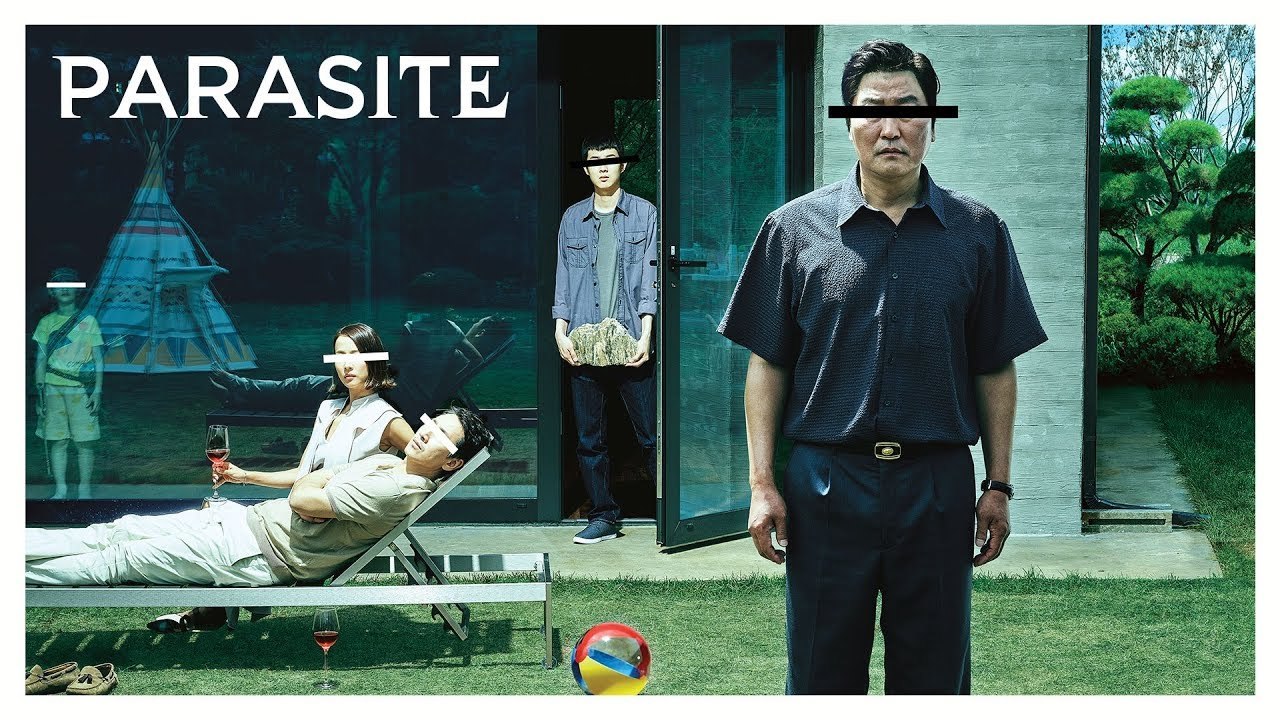
I recently rewatched “Parasite” (probably for the fourth time), focusing only on the technical side.
To recap, “Parasite” is the film that took the top prize in Cannes that year and then went on to win in the “Best International Film” category everywhere it could.
My God, how beautiful and academically precise it is from a craft perspective.
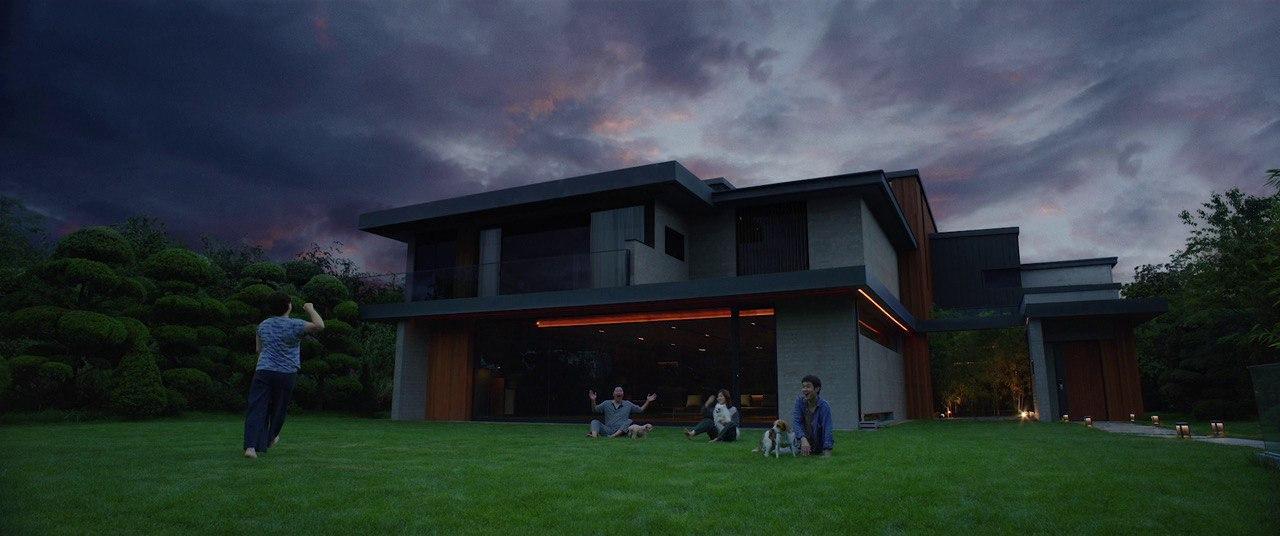
Every frame could be printed, framed and hung on the wall — every visual aspect of the film is immaculate.
When the movement is upward (either of the characters or the camera), we are moving toward the rich; when it is downward, we are descending to the poor.
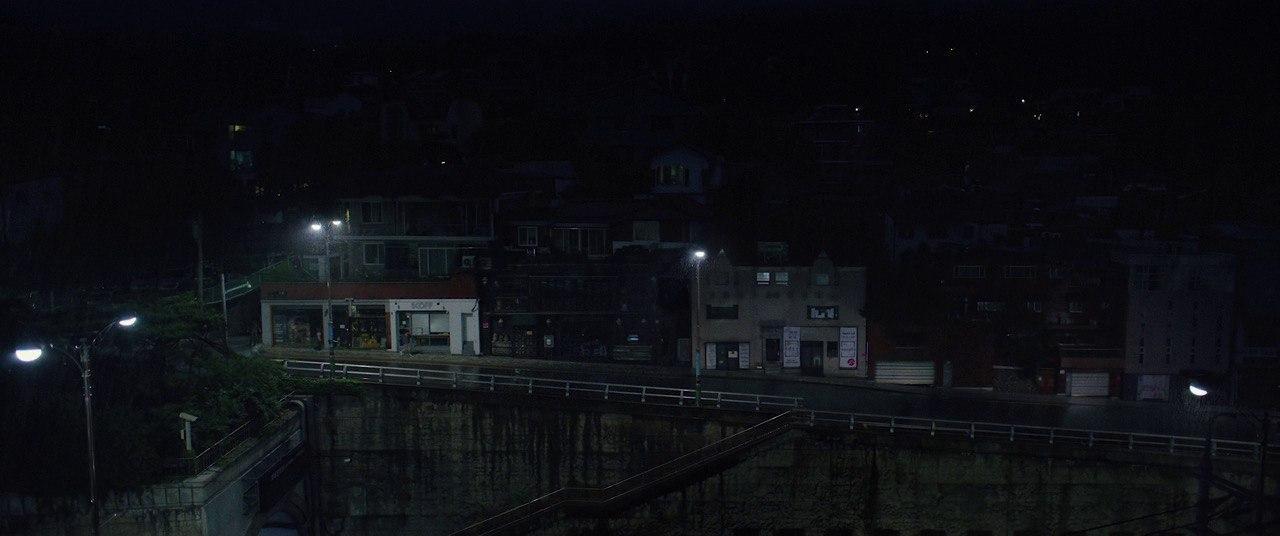
Bright light signals success, while darkness, gloom and water stand for poverty.
To fit all this visual richness in, the film uses a very wide frame — the aspect ratio is 2.35:1 (whereas 1.85:1 is considered standard for many films).
Most of these techniques are hard to demonstrate in a post, because they work in motion.
But there is one idea that can be illustrated with stills.
Boundaries
The head of the Park family often says that he hates it when people cross the line.
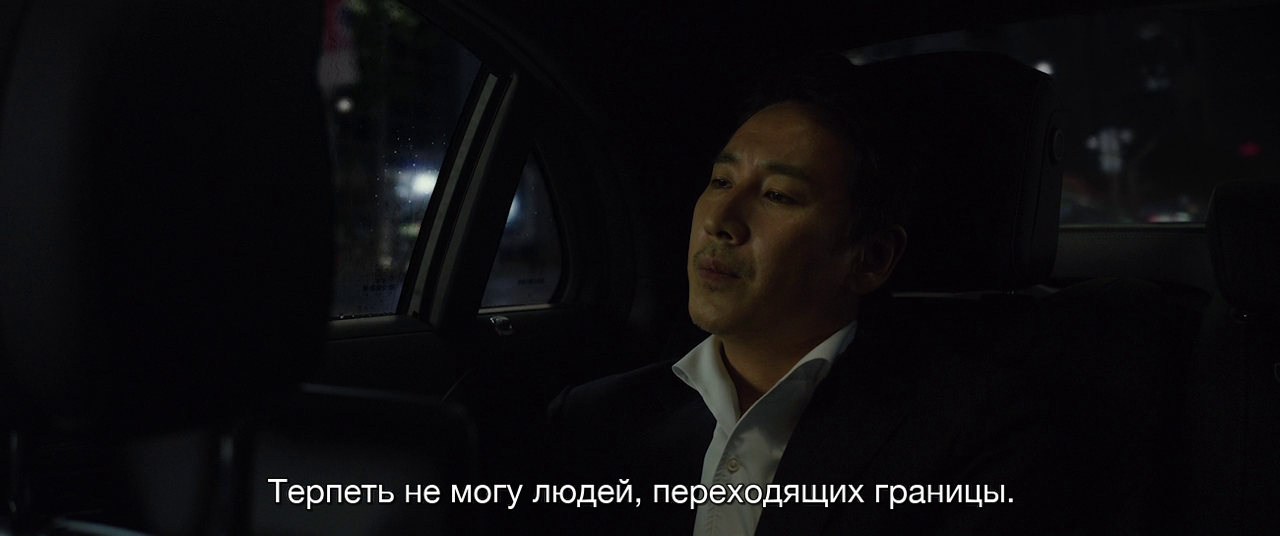
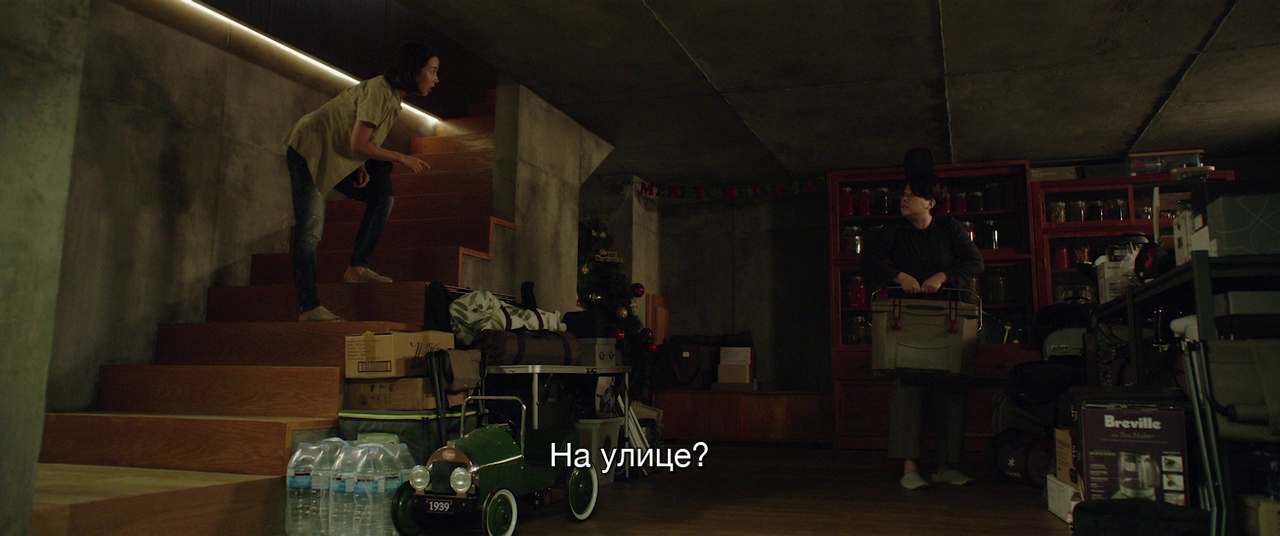
For most of the film the wealthy Parks and their servants are separated in the frame by some kind of boundary — usually vertical lines.
The Parks themselves also tend to be higher in the frame and on the bright side.
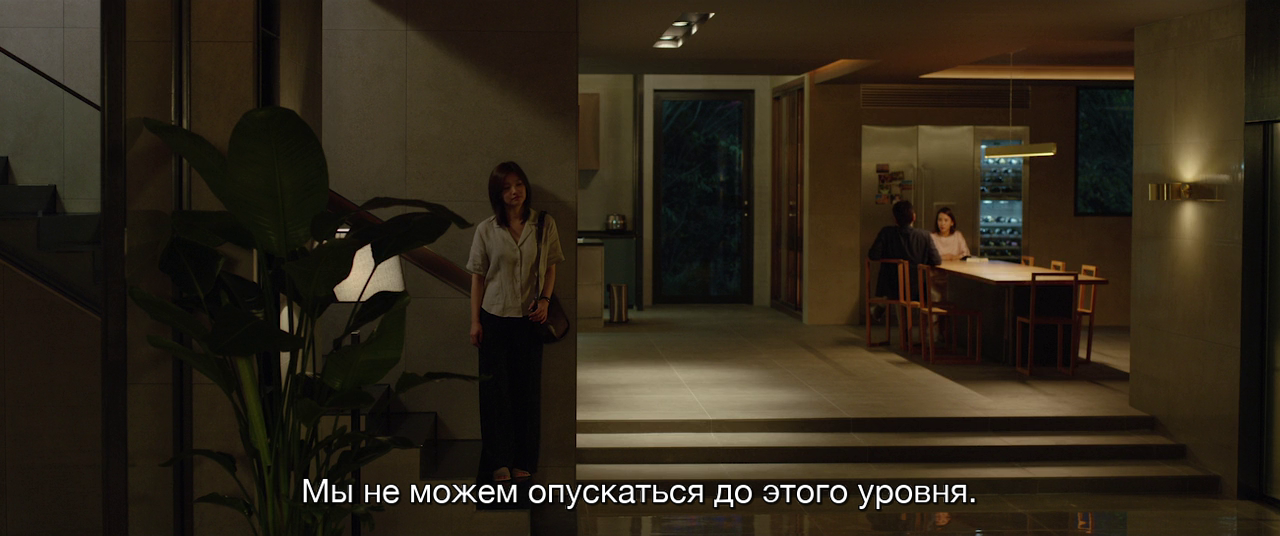
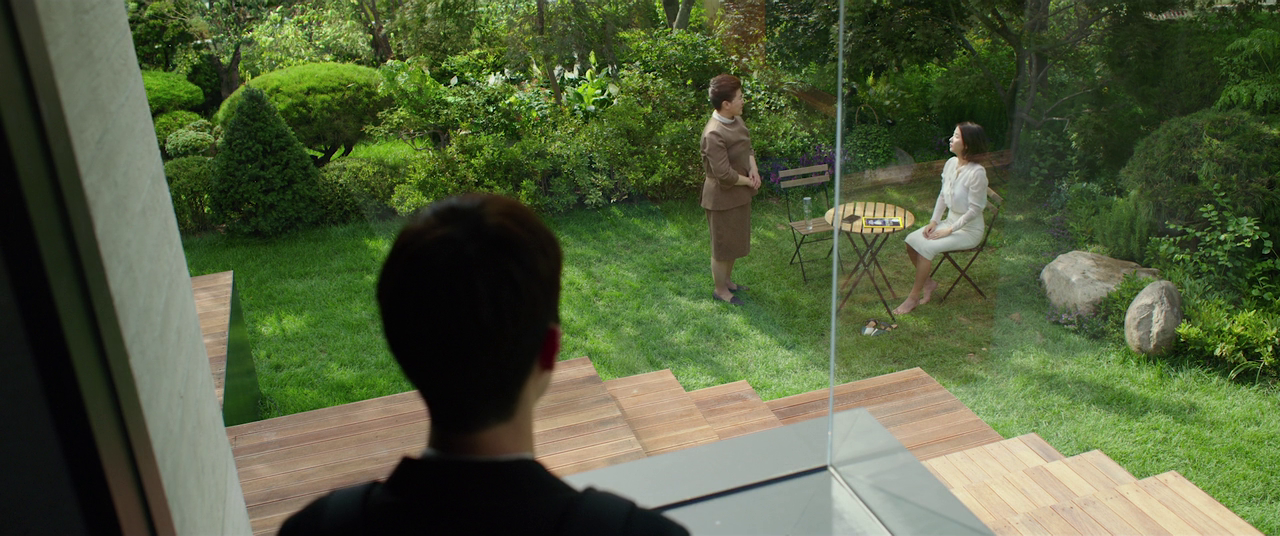
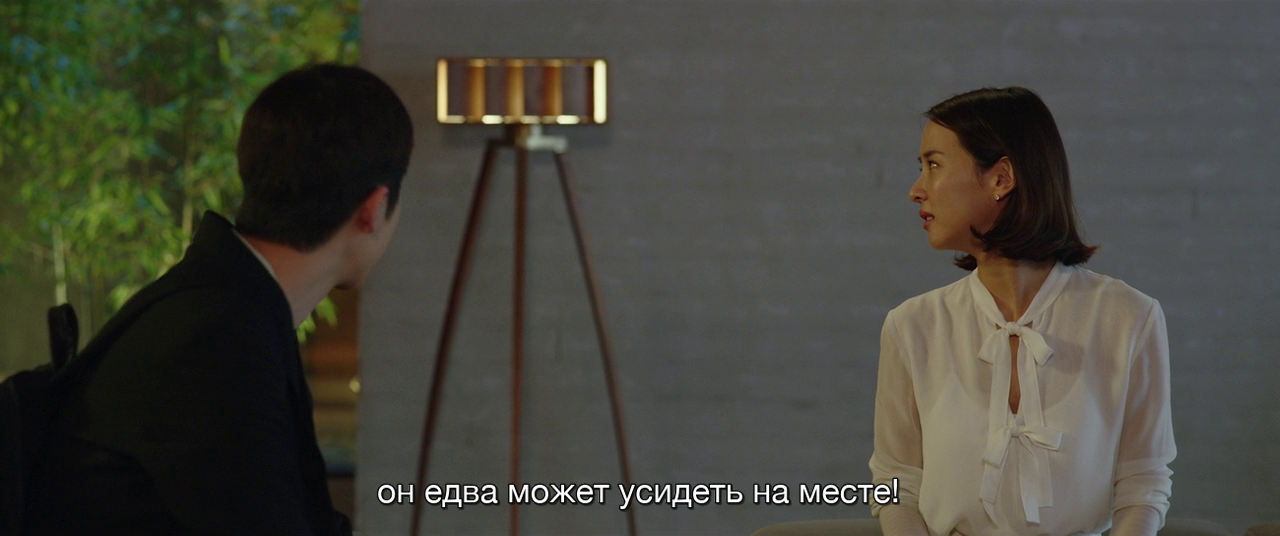

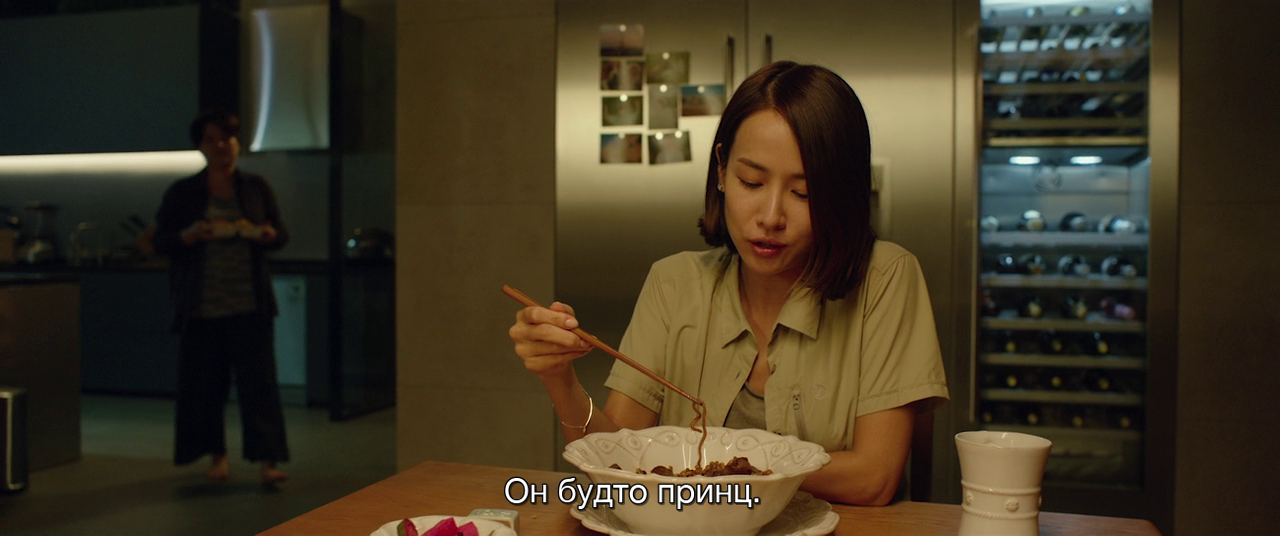
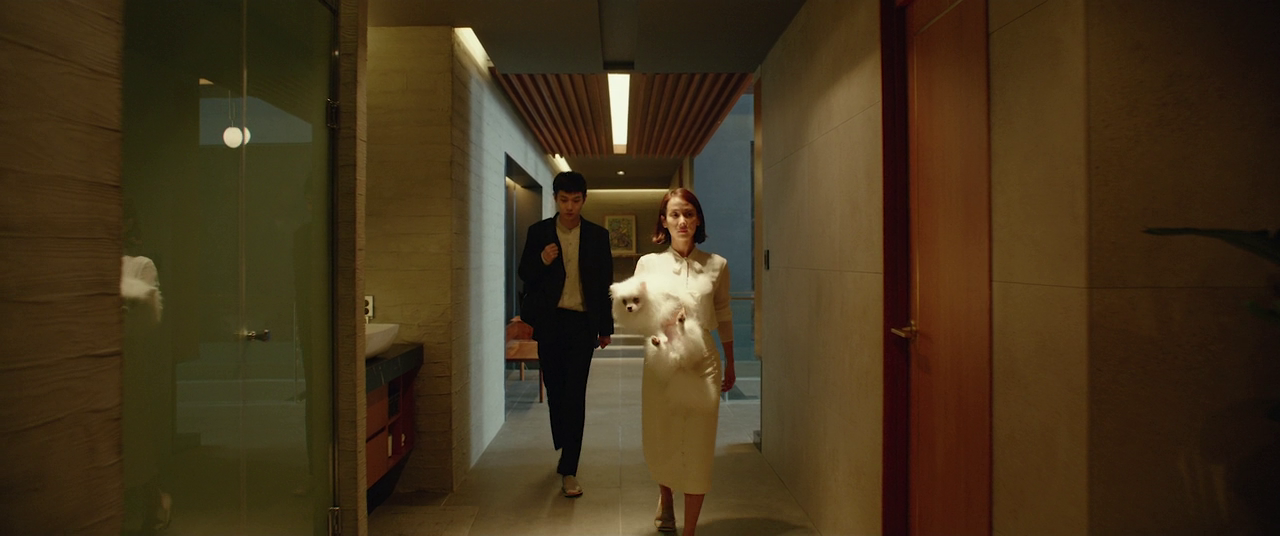
(The line on the floor.)

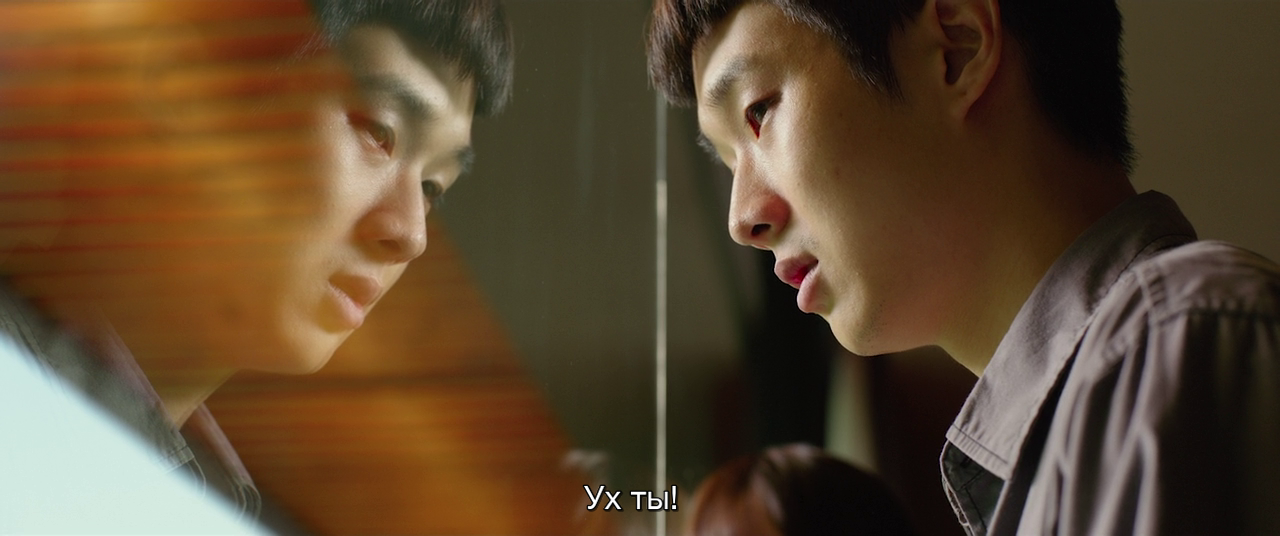
Even in the shot where Ki-woo dreams of a rich life, he is separated from this mirage by a merciless boundary he will never cross.
“Parasite” is undoubtedly one of the major cinematic events of 2019 and a well-deserved Oscar winner.