
It is safe to say that modern television had no true equivalent to Game of Thrones — neither before nor after its release. The fantasy saga A Song of Ice and Fire by George R.R. Martin was adapted purely for the small screen. In the early 2010s HBO could hardly have imagined how phenomenal the show’s success would be, or how bitterly fans would feel let down by the end of season eight. Some time later House of the Dragon was launched: a spin-off about the Targaryen dynasty, rulers of the fictional continent of Westeros. It was no less dark, but fell short of its predecessor’s dramatic and visual heights. Martin himself recently spoke of his disappointment with House: the showrunners, he said, would not listen, talked back and in the end mangled the source material. He channelled that frustration into something good and produced A Knight of the Seven Kingdoms.
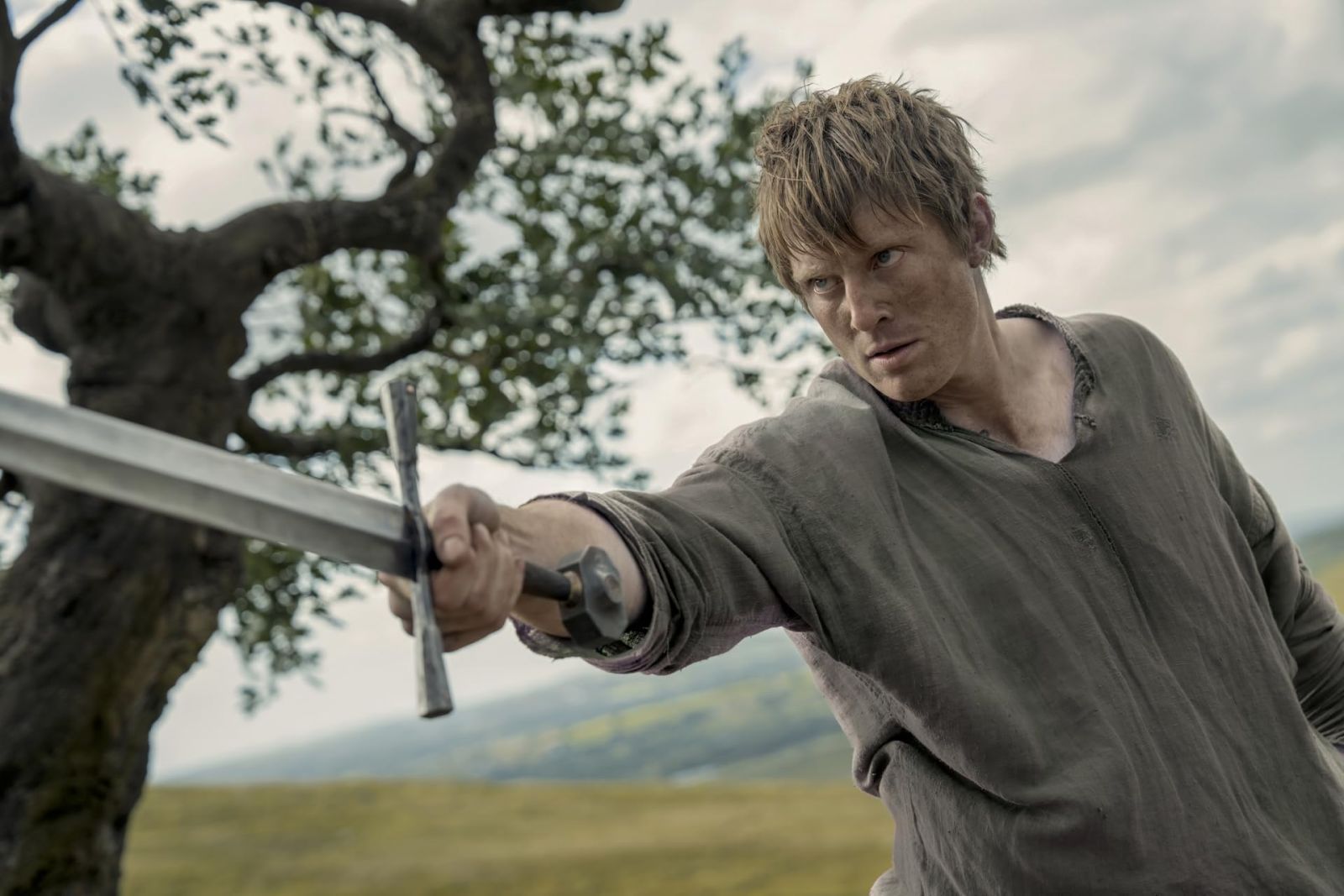
The disarmingly charming adaptation of the writer’s eponymous book series opens a new side of the saga, stands as a sincere, unassuming companion to it and inspires gratitude. The first season is based on the novella The Hedge Knight and consists of six episodes, each a modest 30 to 45 minutes. The budget is clearly limited; the compactness works in its favour. Martin and his collaborator, showrunner Ira Parker (who worked on House of the Dragon), deliberately give the series a tone that is ironic and irreverent toward the Thrones legacy. In place of the franchise’s familiar, lavishly crafted title sequence we get a stark font and a scene of Dunk relieving himself — the boy towers over everyone and carries himself with endearing clumsiness.
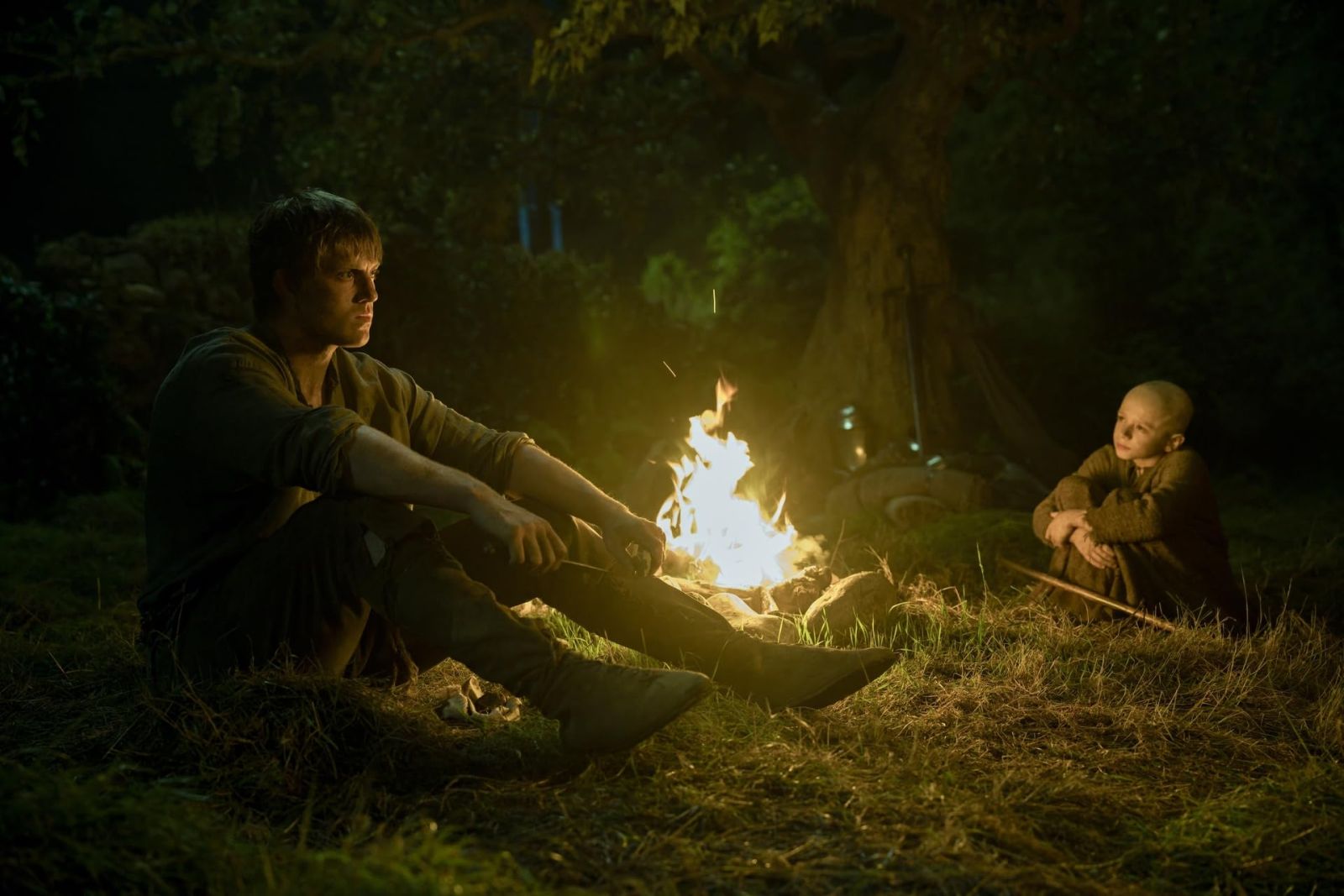
Dragons appear only as cardboard stage props; the characters drink heavily, couple freely and throw themselves into dance. In that respect they outdo the original series. A Knight of the Seven Kingdoms hooks you from the start: the tight running time makes the storytelling denser, and the cycle’s protagonists, largely unknown to a wide audience, win you over and hold your attention. The story centres on ordinary people living in the shadow of Westeros’s ruling elite. Dunk has no wish to inscribe his name in history or fight in great battles. His modest quest and search for his own identity recall the path of a samurai and lift the young man above the violence and chaos around him. For the world of Thrones, accepting one’s lot has never been the norm — its heroes were more apt to try desperately to bend fate to their will — so this perspective feels fresh.
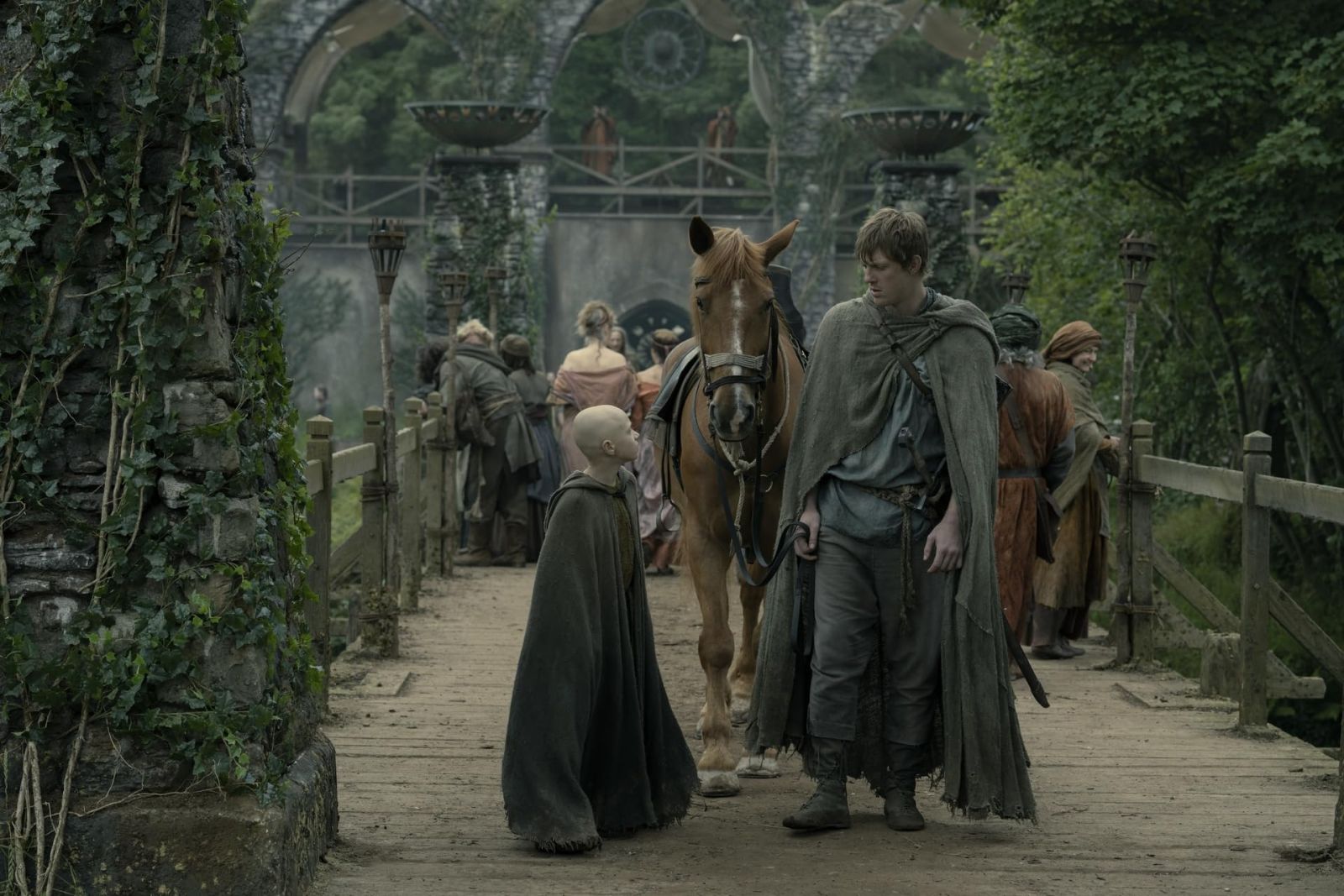
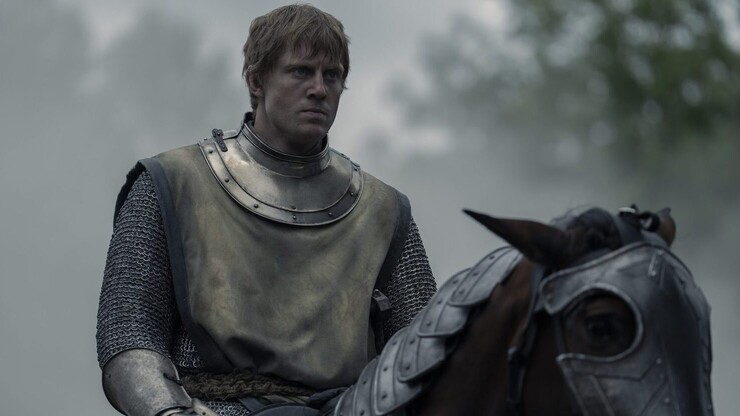
The show’s clearest win is its leads. In the role of Dunk, Peter Claffey breaks through in a way that tall, brawny actors in Hollywood rarely do without being stuck as heavies and henchmen. Besides his obvious physical presence the Irishman is charismatic, touching and even tender. Ansell is every bit his match: the bald Egg meets Dunk as an equal, and his real intentions are for the viewer to discover (those who have not read the books will wonder about the boy’s origins until the end). A Knight of the Seven Kingdoms has already been renewed for a second season, and that is welcome news. Westeros, like the real world, has lacked humanity in recent years. The Knight arrived when we least expected it, recharged the franchise and viewers’ hearts alike.