

In 2019, Disney’s raking paws reached out to 20th Century Fox, the oldest American film studio, which, among other things, had the rights to the characters “X-Men” and “Fantastic Four”. Almost immediately, projects were announced - both the first and the second. And if films based on the “X-Men” await us in the relatively distant future, then the new film adaptation of “Fantastic Four” can be appreciated right now. The credibility of the superhero blockbuster has been given quite high - all previous attempts by the industry to rethink the history of the oldest characters in Marvel comics have turned out to be failures. After all, who, if not Marvel themselves, can breathe new life into the Fantastic Four? 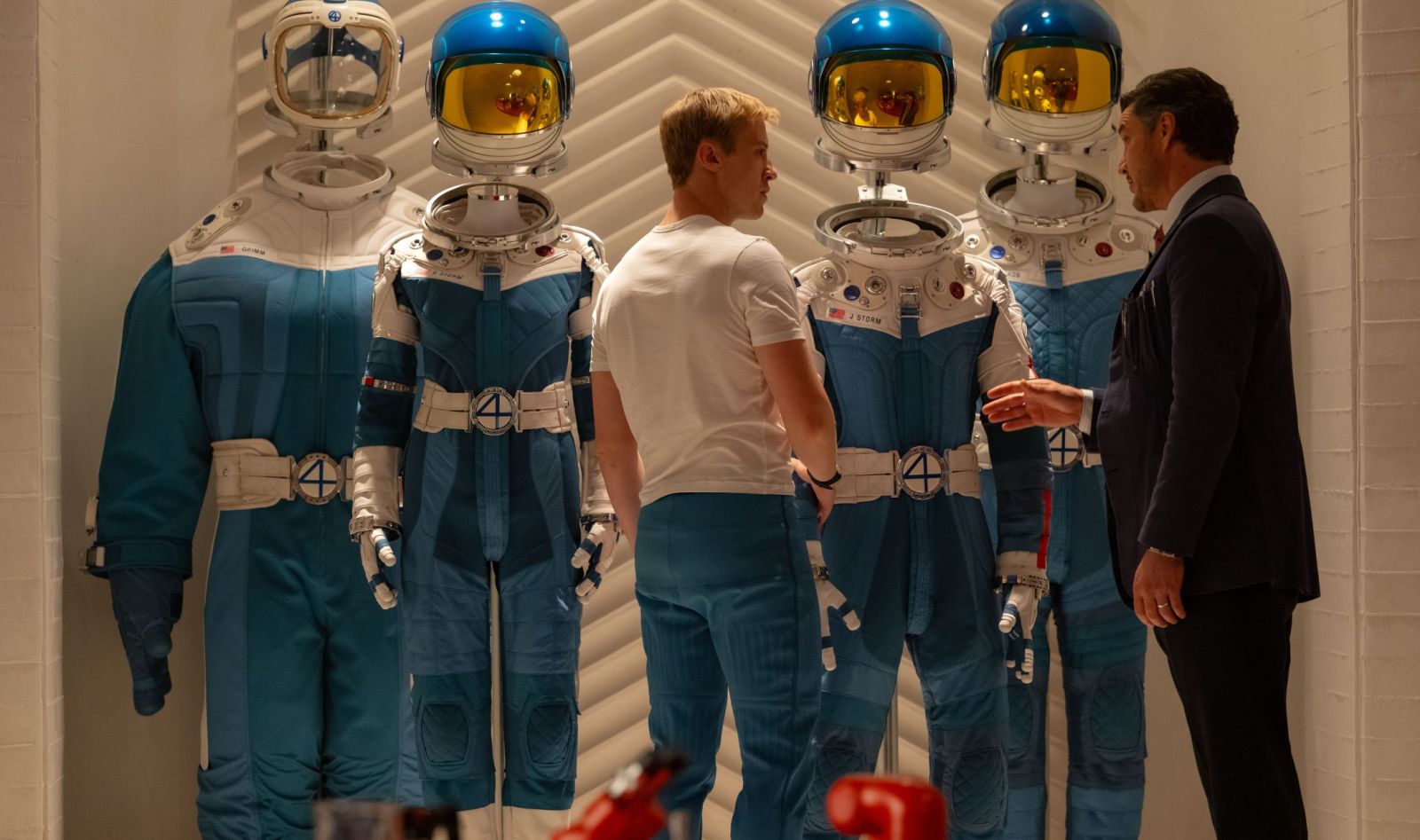
“Fantastic Four. First Steps is a film adaptation of the comic book series of the same name by Stan Lee and Jack Kirby, which debuted in 1961. The first attempt to bring the story of a family of superheroes to the big screen was made by the “king of drive-ins” Roger Corman in 1994. The comic book was positioned as a B-movie and was released straight to VOD. The second, more successful adaptation of Fantastic Four happened in 2005. Critics still criticized the film for its vulgar jokes and flat plot, but the audience brought in enough money at the box office for a sequel, which, however, no one liked. The biggest failure of the Fantastic Four came in 2015, when director Josh Trank, influenced by Christopher Nolan’s realistic reimagining of Batman, decided to turn the colorful comic book into a monotonous, gloomy sci-fi, devoid of any glimmer of humor. It is unknown what the fate of the Fantastic Four would have been if Disney had not ultimately absorbed 20th Century Fox along with all its franchises and characters. 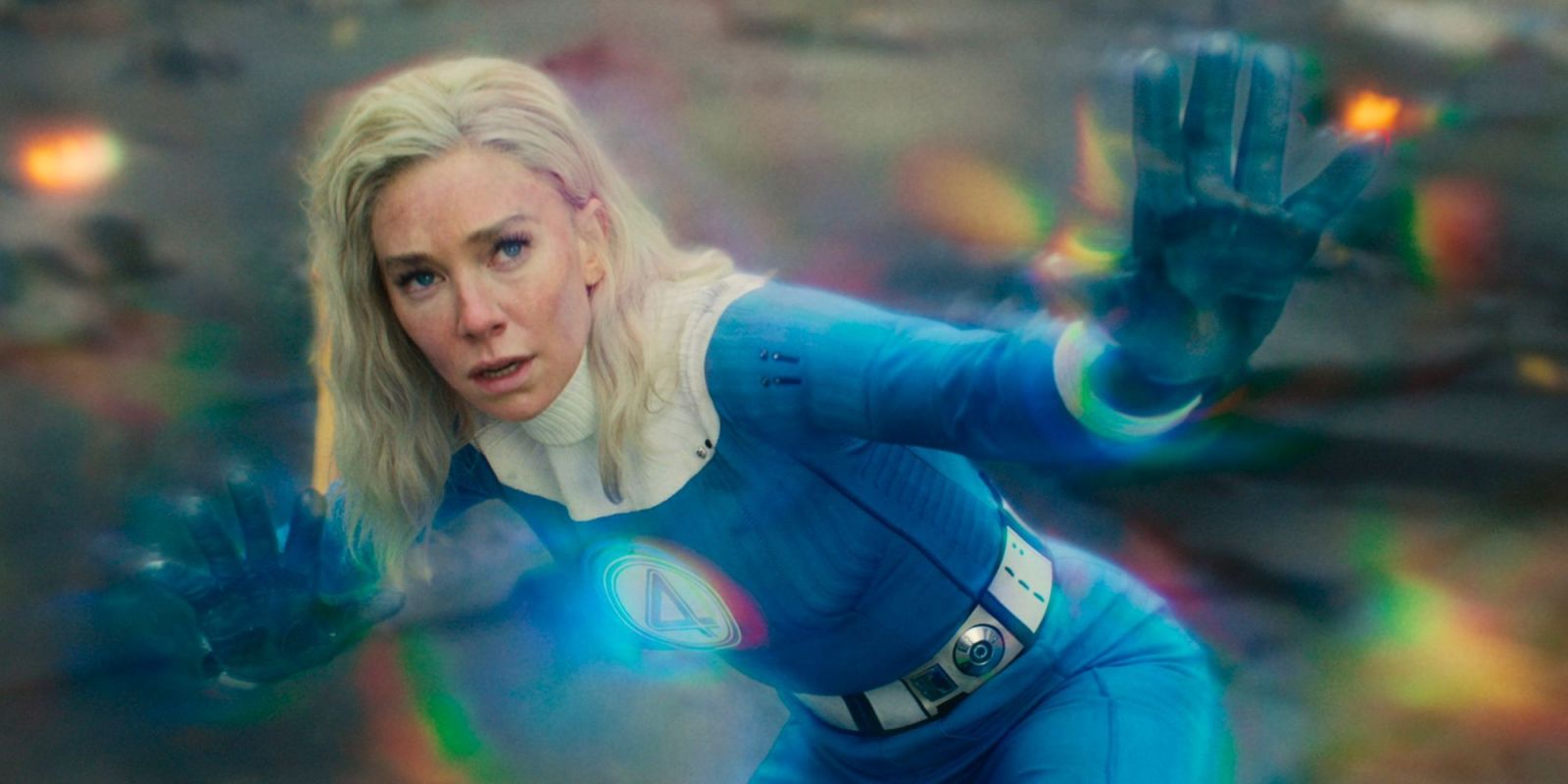
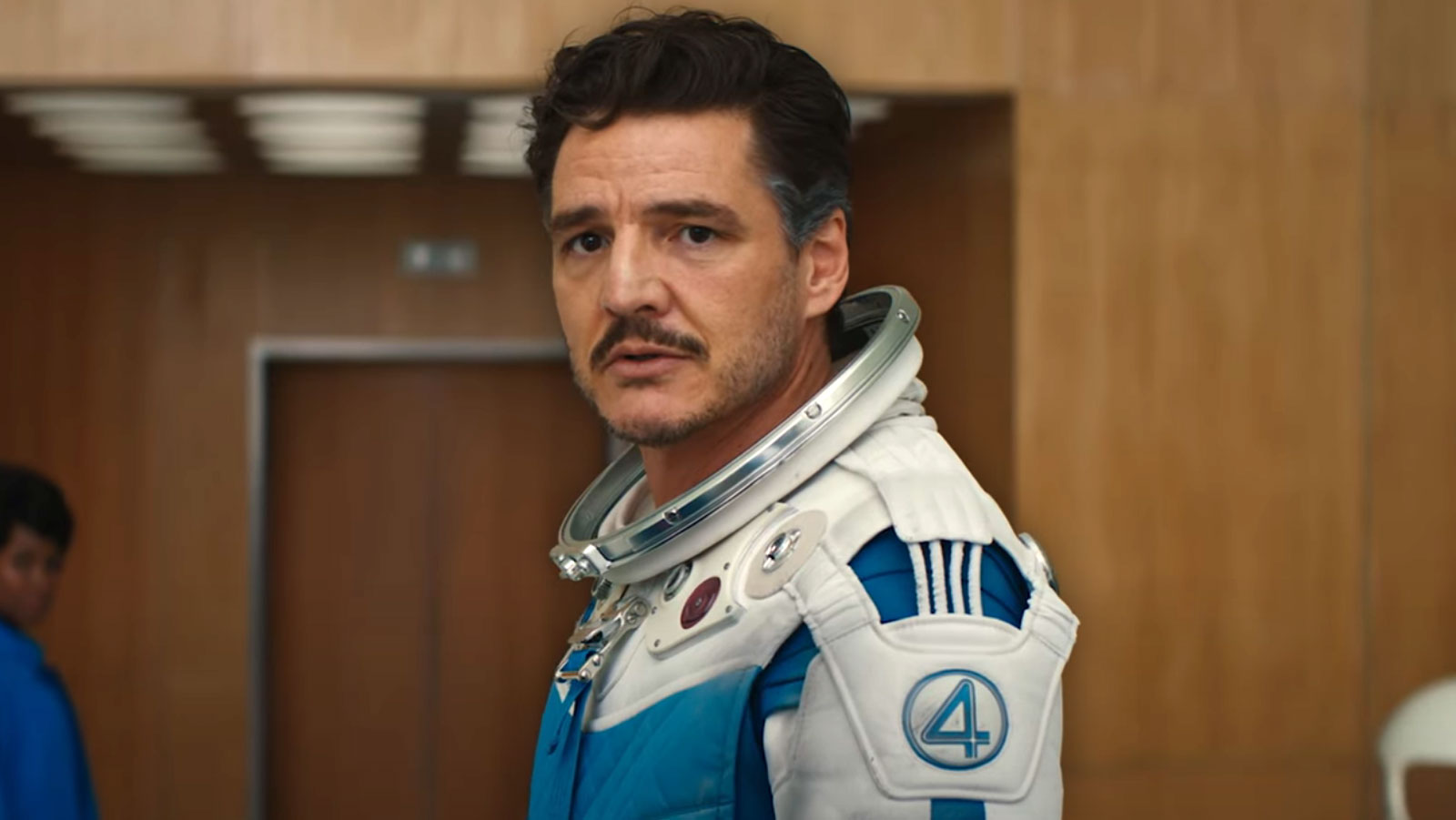
The reboot of the comic was handled by the director of the WandaVision miniseries, Matt Shakman, and the script was apparently written by the entire studio (with each year of delayed production, the number of authors grew alarmingly). After the box office failures of the Ant-Man threequel and Captain Marvel 2, MCU producers were faced with a difficult creative challenge. Making classic blockbusters has lost all meaning, superheroes are in desperate need of a new charge of creativity. “Fantastic Four. First Steps, like the recent Thunderbolts, reflects Marvel’s desire to bring comic book films closer to the art mainstream. Stylized as A24 films, Thunderbolts played the trauma metaphor card, while the Fantastic Four were set in a cumbersome retrofuturism setting, adding a robot as a new AI companion. At the same time, at the level of the plot message, “First Steps” is the same familiar Disney molasses about the importance of family and individual human life. 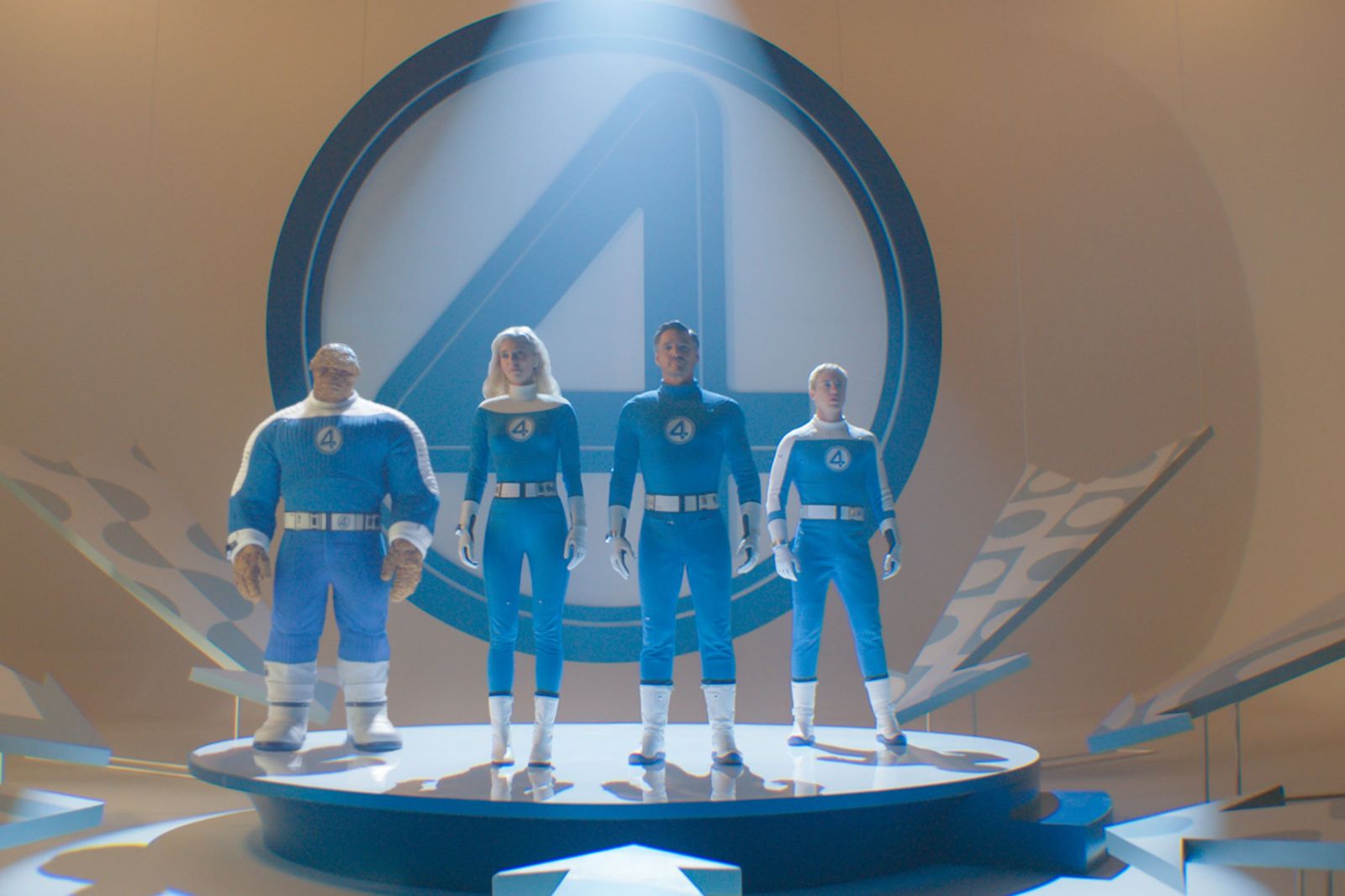
None of the members of the Fantastic Four have gone through global modernization: Reed Richards is still burdened with responsibility, Ben Grimm has complexes, and Johnny Storm has a lack of personal life. The only difference is Sue, who for the first time in all the film adaptations is immersed in motherhood, but is hardly present in the life of the team. The hostile space titan Galactus, who did not bother to write out a backstory, clearly resembles Thanos from “Avengers: Infinity War,” except that the latter was guided in his actions by at least some kind of, albeit twisted, morality. In an attempt to compensate for the plot’s lack of ideas, Shakman generously enriches the visual code of “Fantastic Four” with bizarre artifacts of a future that never was - flying Cadillacs and pot-bellied computers, “smart” gramophones and almost toy rockets flying at the speed of light. Atmospheric shots of New York City in the early 1960s give way to archival documentary footage of the Fantastic Four, like the crew of Apollo 11, preparing for their first fateful flight into space. Towards the end, Shakman even resorts to split-screen, making the film look like a comic book storyboard.
Technical sophistication and flirtations with pop culture certainly elevate the new Fantastic Four above previous film adaptations. But as a blockbuster marking the arrival of the sixth phase of the MCU, the comic book film about the oldest team of superheroes simply does not live up to audience expectations. The search for a new film language is accompanied by frankly lazy plot decisions, which once again prove that superheroics are not a genre for centuries or even decades.