
Jim Jarmusch won the Golden Lion in Venice for his 14th film, and everyone honored him: from the festival jury to workers at the Italian airport who saw the victory statuette through the security scanner. Sometimes it’s hard to be a hermit when recognition won’t leave you alone.
“Father Mother Sister Brother” is a classic Jarmusch film that takes the best from both his middle and late periods.
In the first case, it’s a structure of several stories whose action takes place in different parts of the world — a familiar approach from “Coffee and Cigarettes” and “Night on Earth.”
In the second — a contemplative-meditative tone, a phlegmatic Adam Driver in the cast, and original music at the intersection of psychedelic rock and ambient. The director wrote it himself — lately, Jim with a guitar can be seen more often than with a movie camera.
Three Family Stories
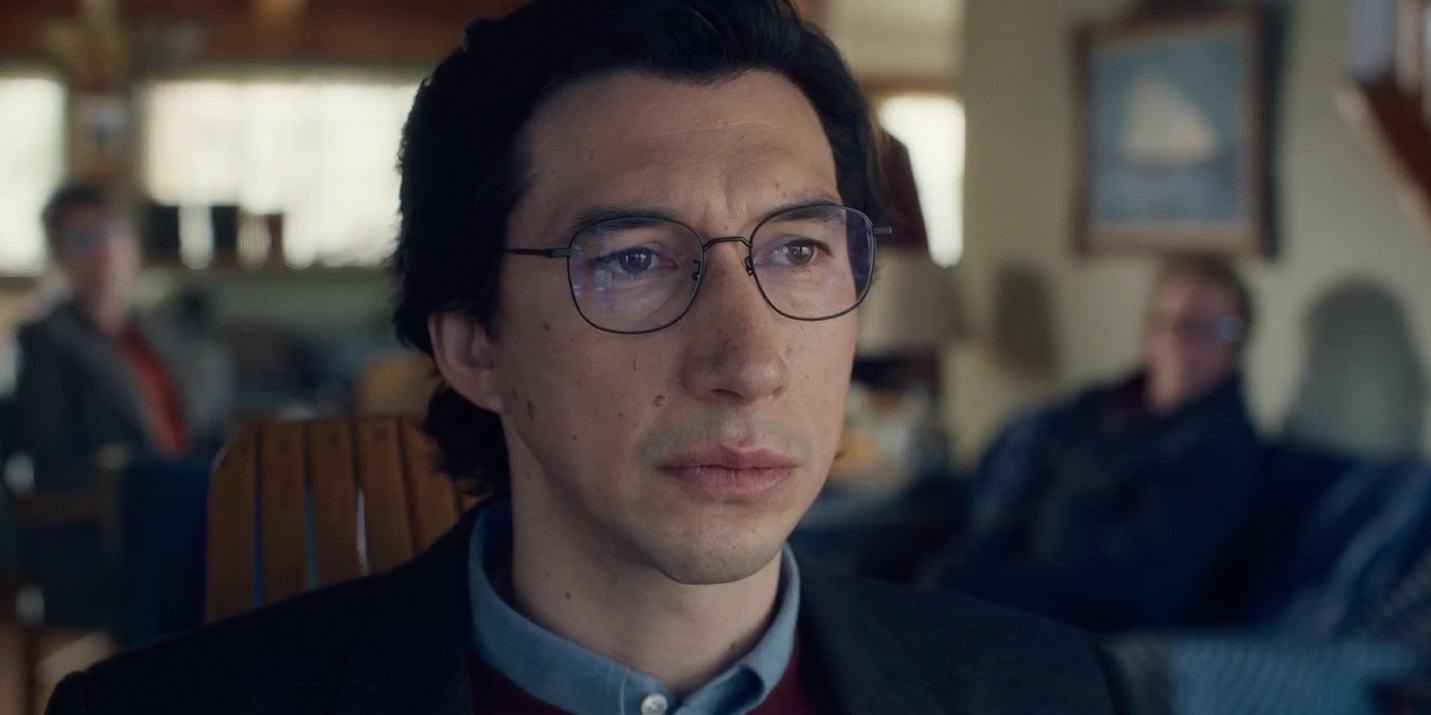
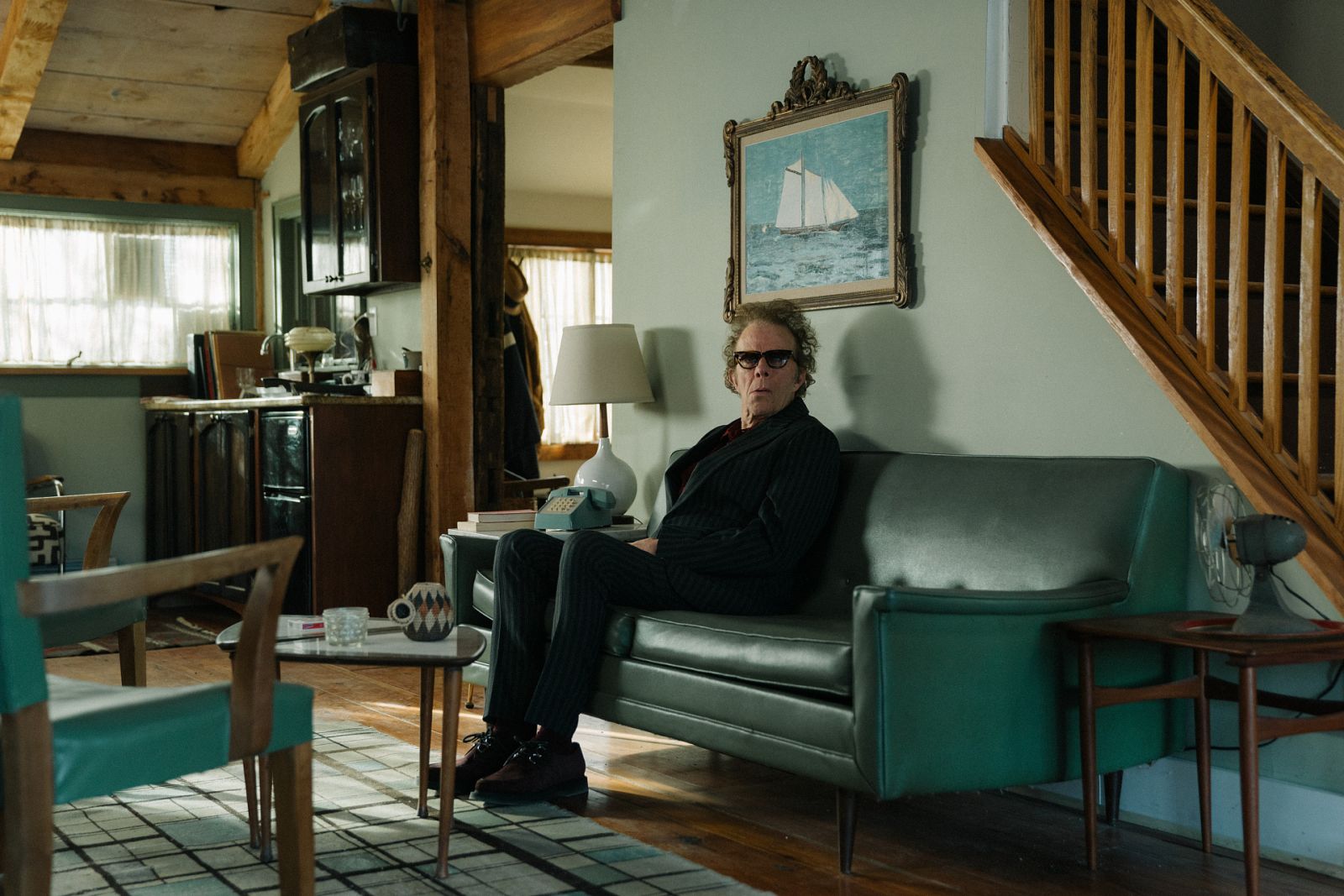
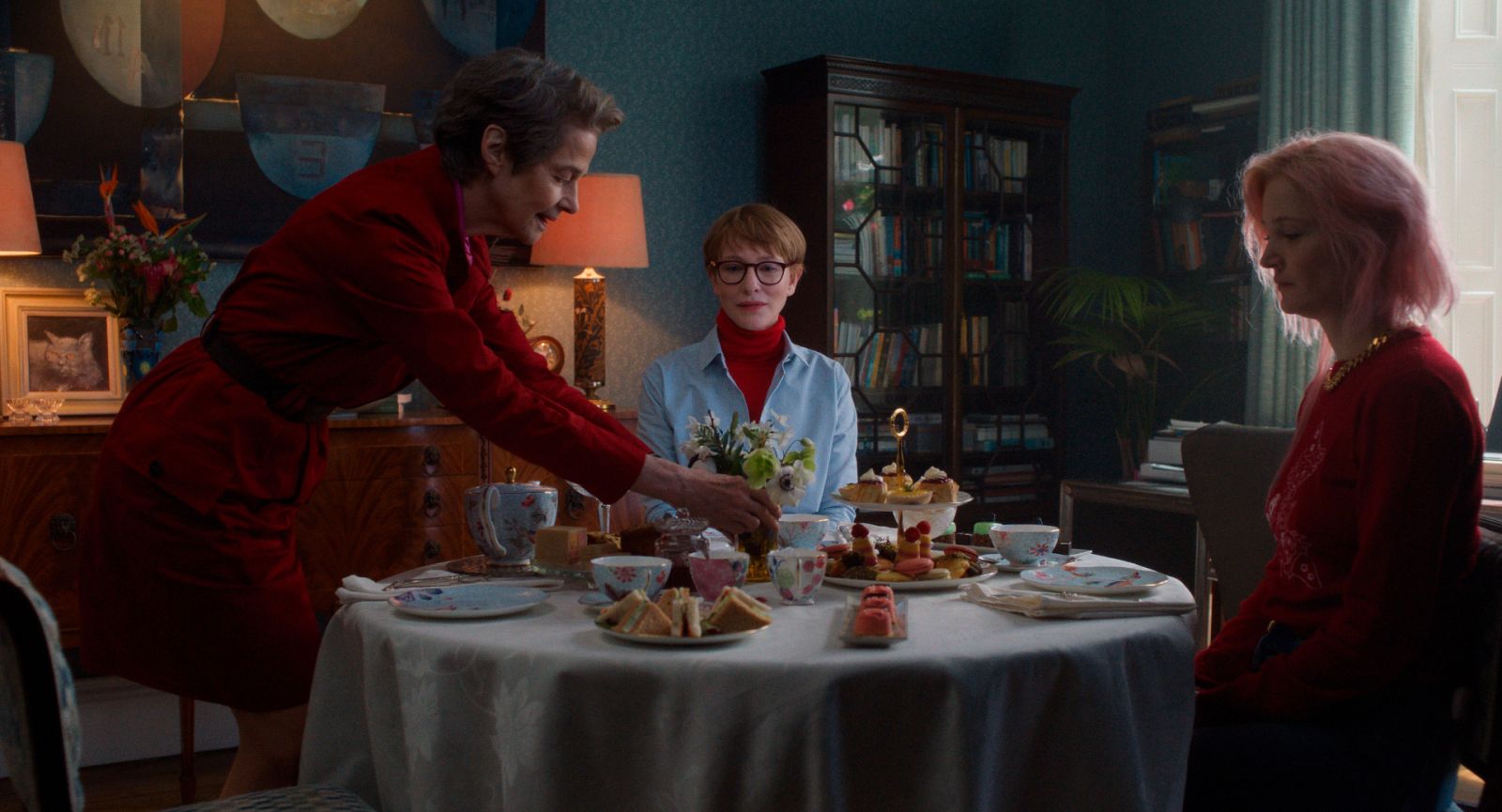
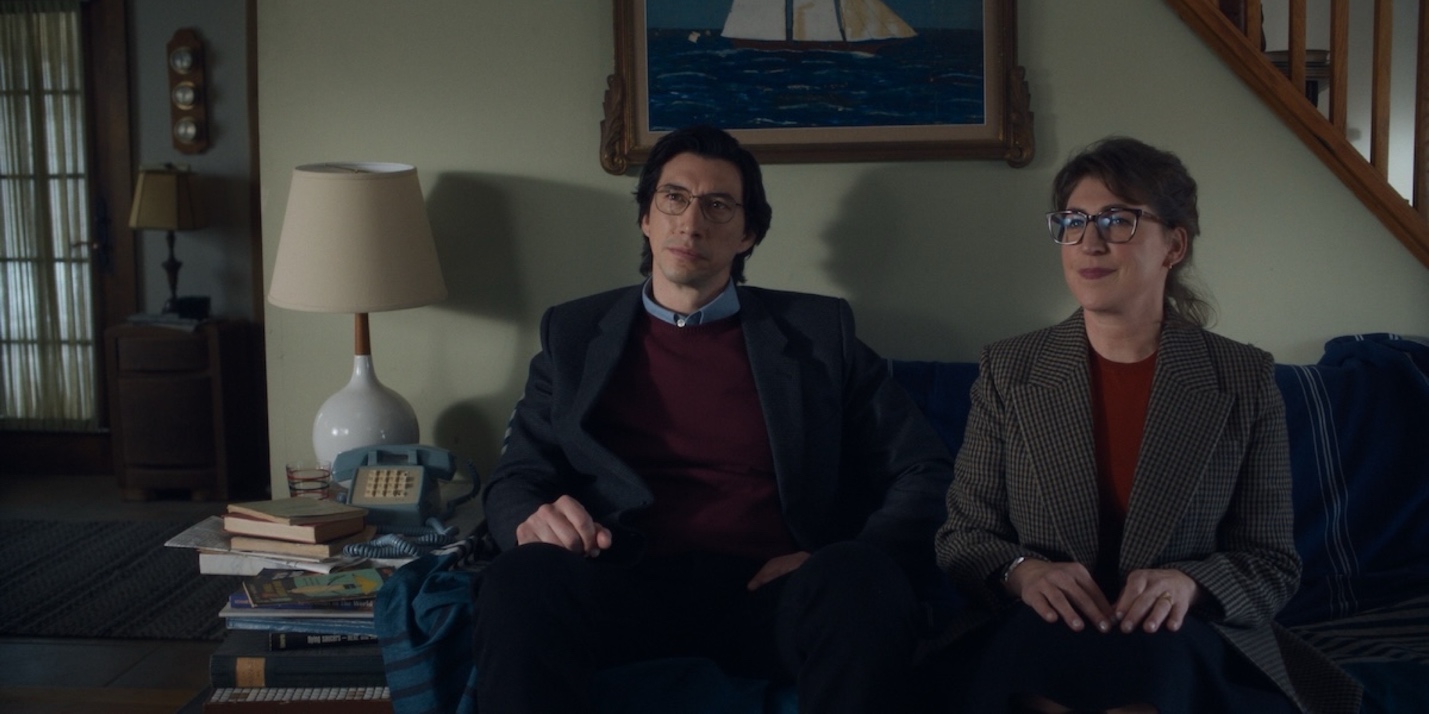
Jeff and Emily (Adam Driver and Mayim Bialik) go to visit their father (Tom Waits) at his secluded home in New Jersey. A writer living in Dublin (Charlotte Rampling) awaits her daughters Timothea and Lilith (Cate Blanchett and Vicky Krieps) for a visit to have a heart-to-heart talk. Brother and sister, Sky and Billy (India Moore and Luca Sabbat), reunite in Paris after their parents’ death in a plane crash and go to the old house.
Three stories with different children and parents are united by a sense of awkwardness and everyday boredom. Sometimes there’s nothing to talk about with fathers and mothers — the editing emphasizes moments of tense, sometimes absurd pauses.
Sailing at a Slow Pace
Sailing at a slow pace and contemplating life, no matter how boring and gray it may seem — this is a priority for Jarmusch, who over 13 films has built the image of a voluntary director-outsider.
Everyone is pretending somewhere and even being evasive, and people, no matter how different they are and wherever they are — from New Jersey to Dublin — roll monotonous topics across the table. “Oh, we matched in color scheme!” — the sisters will agree, who came to visit their mother played by the elegant Charlotte Rampling.
The burgundy color and the eccentric father played by Tom Waits — it seems to be the only thing that unites the characters of Adam Driver and Mayim Bialik, siblings frozen in the world of adult routine.
Life is Mundane
At every table, they’ll drink a glass of water, discuss spring and tap water, think about whether it’s appropriate to make a toast before a cup of coffee or tea, and how not to scratch “Rolexes” and find out — are they fake or real? Life is mundane, and loved ones can be cunning and demonstratively play either the best version of themselves or the worst.
But no plot twist will follow their secret — Jarmusch is hardly concerned about this, he simply observes.
Parents, as we know, are not chosen. In another festival hit of the year, “Sentimental Value,” Joachim Trier was building family bridges, while Jarmusch builds a light barrier of mutual misunderstanding. If the Norwegian director filmed with pathos and touched hearts, the American looks restrained, and somewhere with a sense of black irony, but without revelations and tearful dramas, because life is prosaic, if not entirely funny.

Zen Koan
Except perhaps in the story of the brother and sister from Paris (stylish India Moore and Luca Sabbat), Jarmusch gives room for sentiment when the couple leisurely drives around the city and remembers childhood. As in “Paterson” or “Coffee and Cigarettes,” the director doesn’t oblige anything at all, he finds charming rhymes in boring pauses, offering to dissolve in the quiet flow of life. Not the most ideal, but what it is.
It’s filled with similar rituals and signs: everyone is aging, everyone has books on shelves and in drawers, cars regularly break down, and children fly away from the nest.
These everyday stories about miscommunication, awkward stupor, and failed heart-to-heart conversations are charming but lack punchlines. Jarmusch doesn’t have them. Because his stories are closer to a zen koan than to a punchy anecdote. “Black clouds covered the moon. What did you understand from this? That black clouds covered the moon,” says one of the popular parables. The same with Jarmusch: the characters talk about water and ask: does it have a taste? “Of course it does — the taste of water.”