
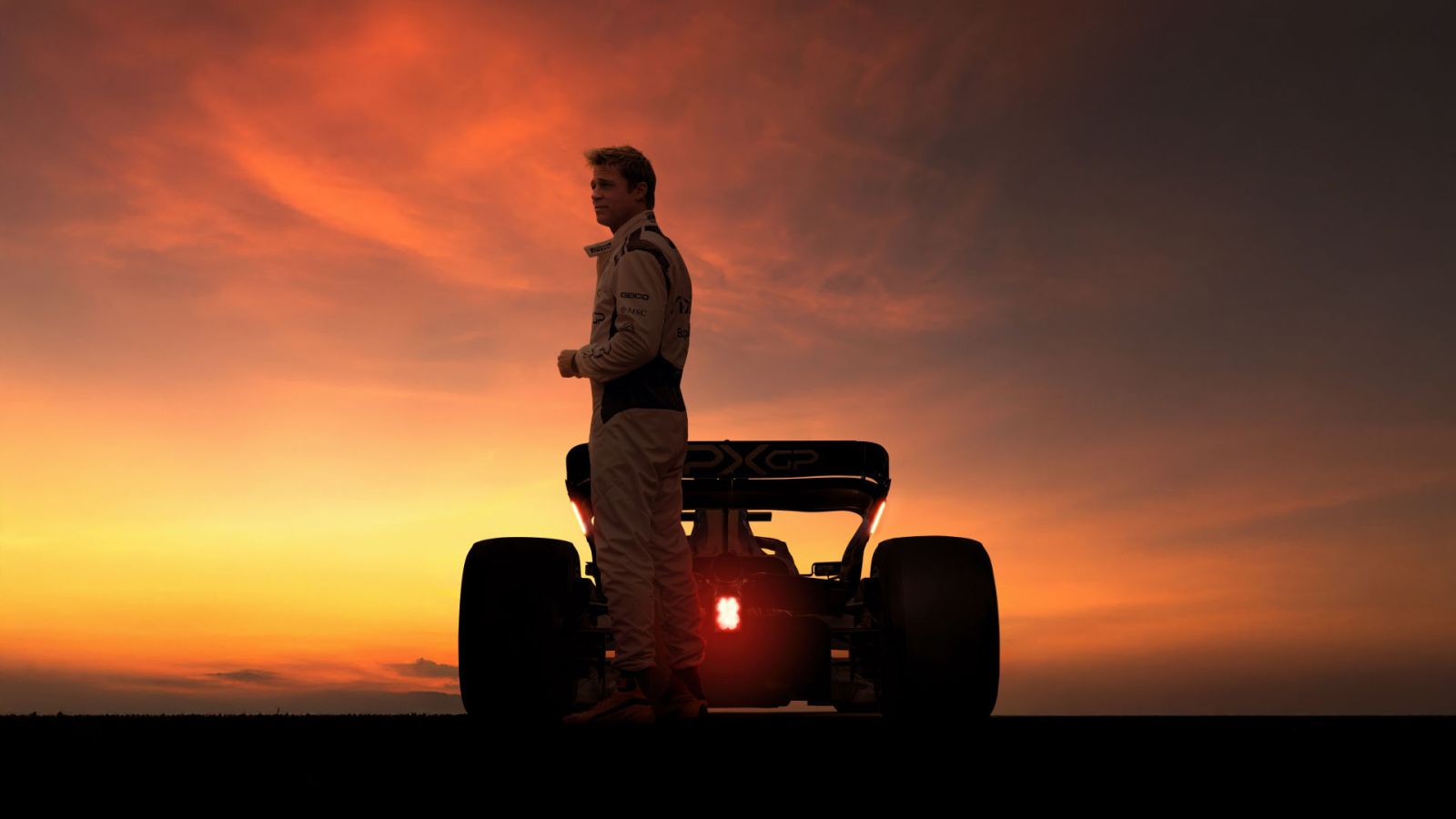
Driver Sonny Hayes (Brad Pitt) walked away from F1 years ago and now lives like a nomad, hopping between series and teams without ever settling down. Ruben Cervantes (Javier Bardem), the owner of backmarker outfit APXGP, lures him back into top-tier racing as a partner to rising star Joshua Pearce (Damson Idris). The team has no results, the drivers have no trust, and Hayes is used to doing everything his own way. To see the checkered flag, they all have to start functioning like one machine.
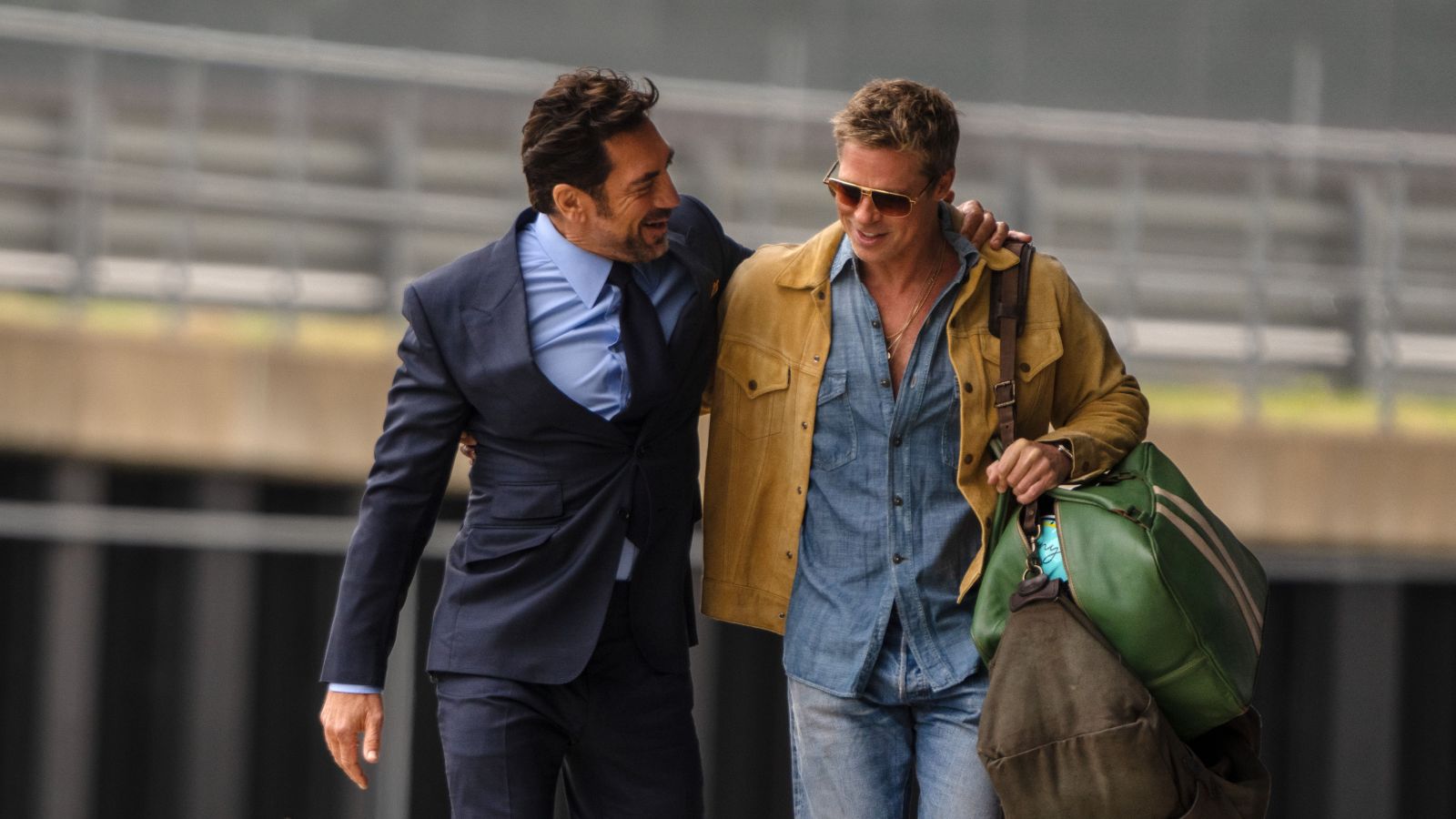
Director Joseph Kosinski, who revived the jet-fighter movie with “Top Gun,” once again builds a full-blown spectacle: real F1 races become shooting locations, cameras are bolted directly to the cars, and Hans Zimmer’s latest spin on racing motifs shakes the seats. On this level the film is flawless — an expensive motorsport commercial approved by both fans and paddock insiders. Pitt channels Steve McQueen from “Le Mans”: a taciturn loner who speaks through speed.
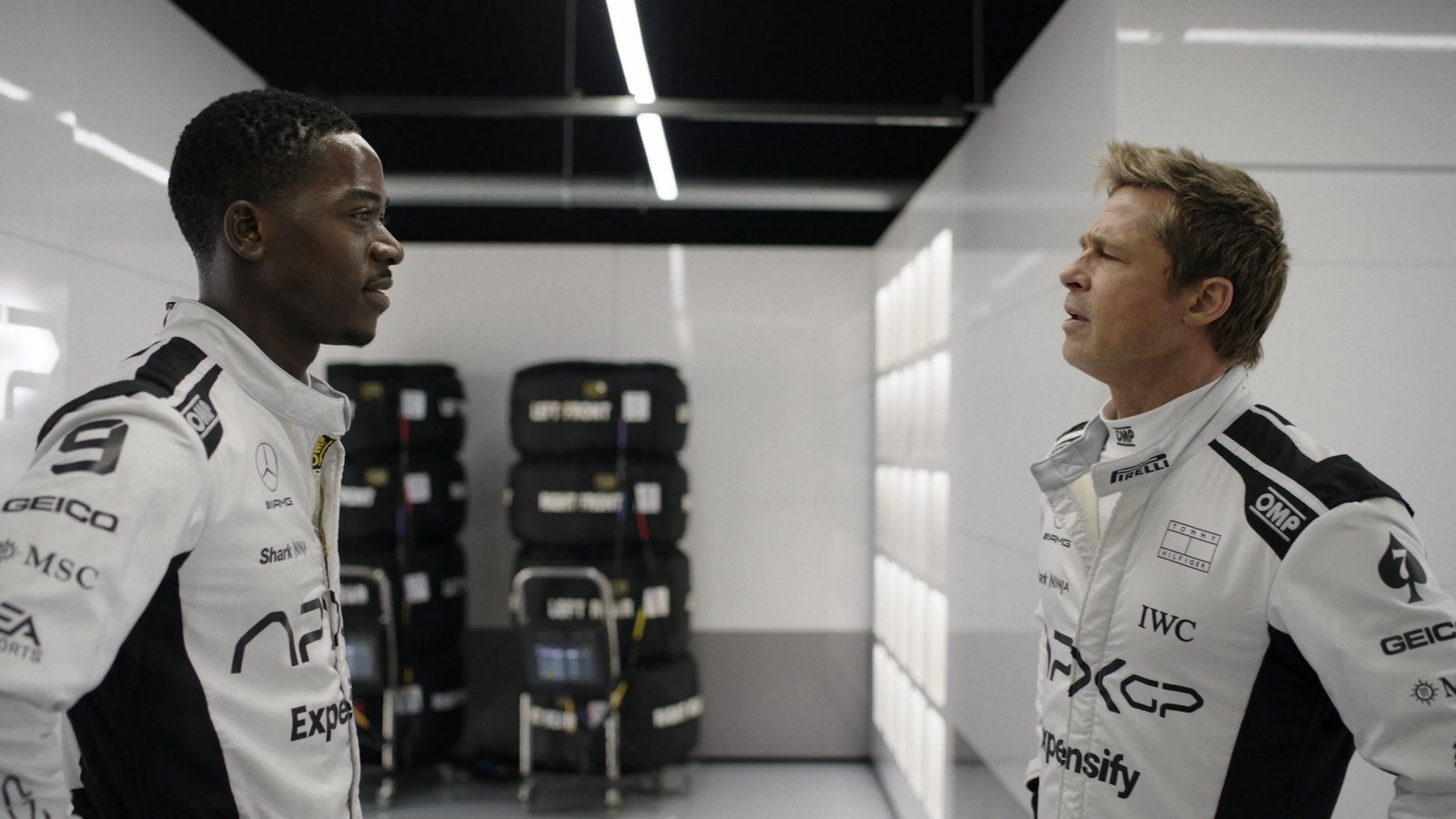
Once the cars roll back into the garage, “F1” downshifts. The drama leans hard on familiar beats: a generational clash between a bruised veteran and a hot-headed rookie, a loser team marching toward inevitable triumph, corporate pressure from sponsors, and so on. On-track crashes are staged as safely as possible — characters recover quickly and jump back behind the wheel, so the feeling of real danger evaporates. The romance between Sonny and technical director Kate (Kerry Condon) appears more out of genre convention than narrative necessity, while Bardem’s team boss is written in just two modes: panic and euphoria.
Behind the meticulous design and flashy shots, people often disappear; the film worships machinery but rarely looks deeper than the bodywork. Pitt is charming and sells the stubborn professional with ease, yet the story ultimately repeats what we’ve already heard in “Creed” and countless other sports dramas. “F1” impresses as a showcase of modern filmmaking hardware, but on the dramatic chicanes it repeatedly loses grip with the track.