
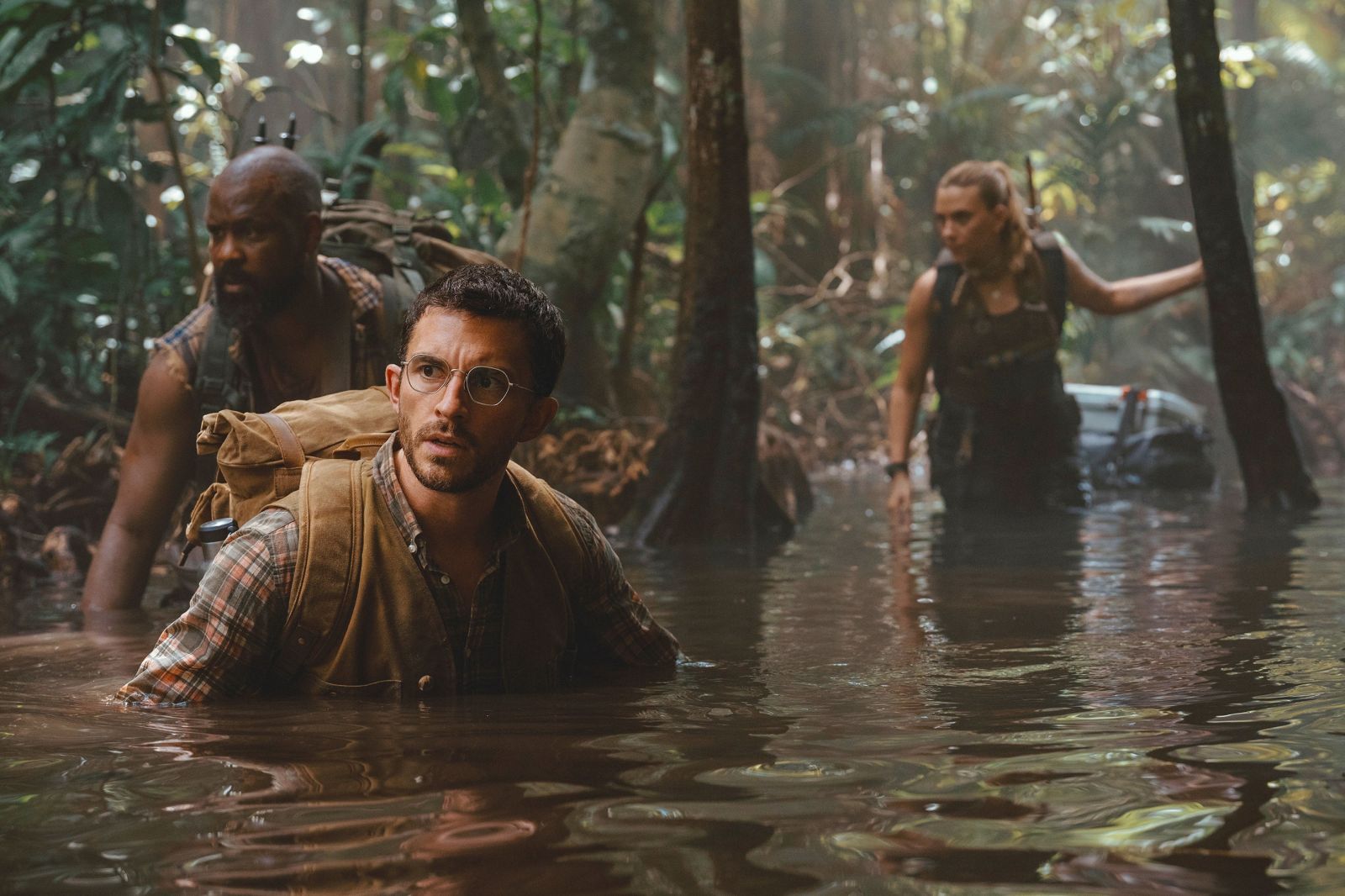
“Rebirth” from the first minutes feels like a nostalgic project. Zora and Krebs (the formal human antagonist) assemble a team of charismatic adventurers and barely get to the required location, along the way, mainly through dialogue, revealing the simplified characters of each of the characters. Already on the island, the franchise’s traditional running from lizards begins, designed in the style of missions from video games: while obtaining vials of dinosaur blood, the heroes encounter a variety of obstacles, fearlessly (almost) overcome them and move on in the plot. Despite all the ordinariness (even for the average viewer) of what is happening on the screen, “Renaissance” does not bore you for a minute. The adventures of Zora and her quickly thinning squad are truly interesting to watch, and more than two hours fly by in one breath. 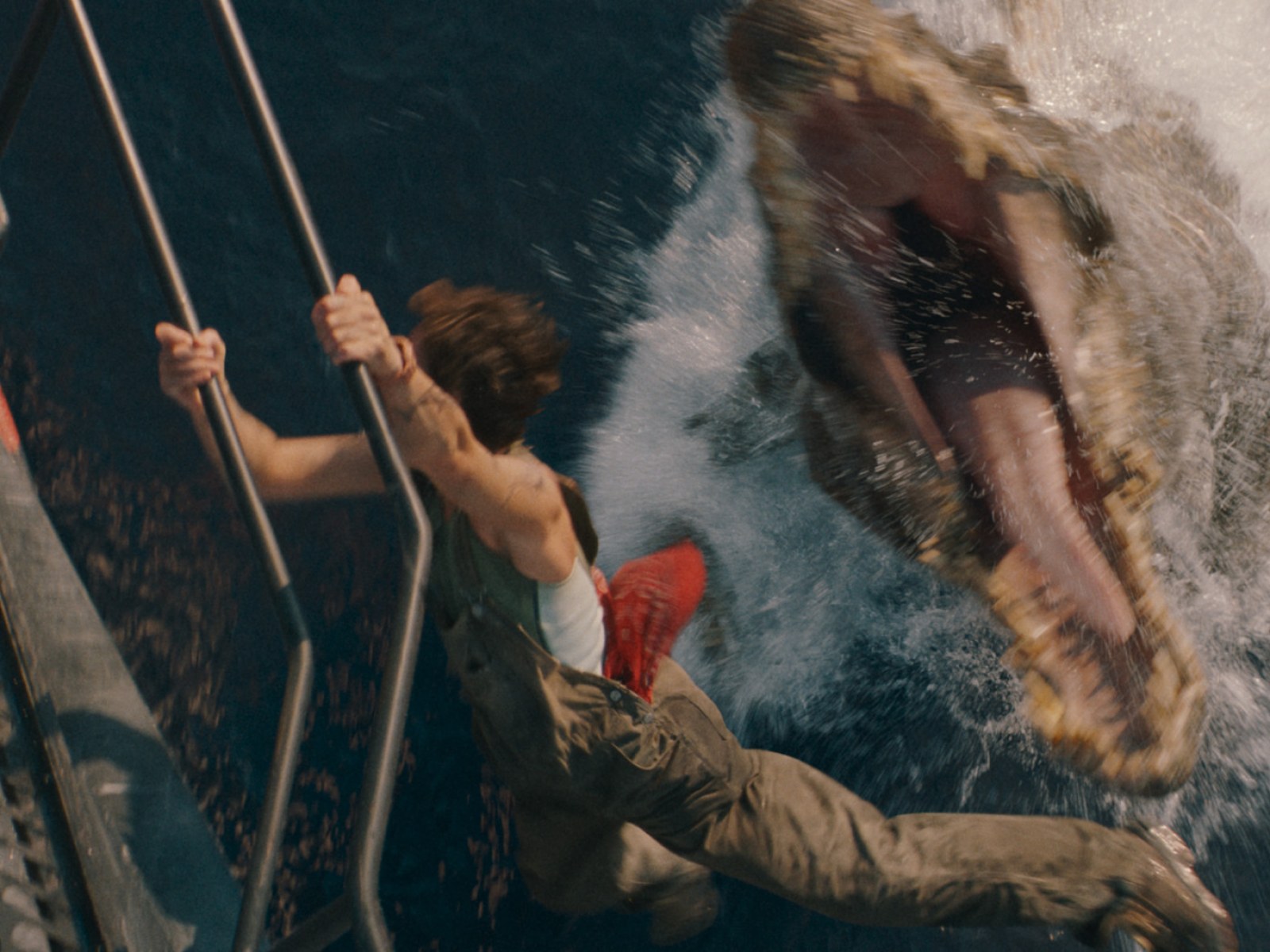
Thanks for that very nostalgic note in the story should be said to David Koepp, the screenwriter of the first two parts of “Jurassic Park”, from where the author brought not only the spirit of the old school, but also some scenes into “Renaissance”. However, Koepp, being a seasoned writer, of course, does not engage in direct copying, although he reworks recognizable moments of the original trilogy for the sake of fan service. For example, a thriller episode with children hiding from mutated lizards in an abandoned store or a trick scene with heroes anxiously making their way through tall grass will take fans of the franchise back to the past. But Gareth Edwards deserves gratitude for the rhythm of the picture and the light atmosphere of humanism. 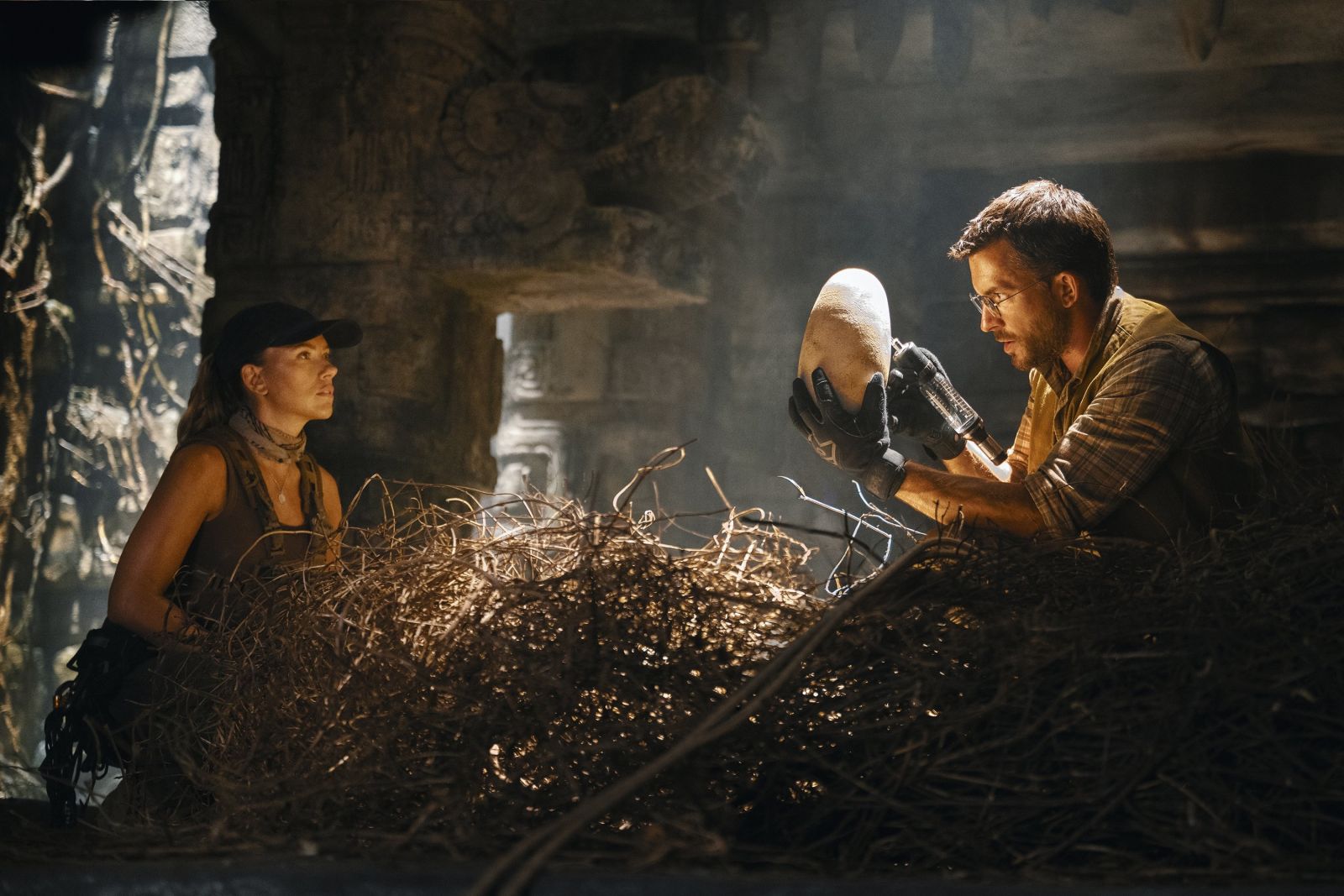
The director of Rogue One, Godzilla and, of course, the Monsters duology knows firsthand how to turn a story about giant monsters into a touching statement about the importance of non-interference in the lives of even long-extinct creatures. The traditional battle between nature and scientific progress for the franchise is being replaced by an equally large-scale, but much more organic criticism of rabid capitalism in the current conditions, neatly hidden under a decent layer of local human drama. However, Edwards the humanist coexists comfortably with Edwards, an employee of a large studio, and does not try to turn entertaining cinema into a springboard for loud statements. But the picture became a testing ground for a new approach to demonstrating the titular lizards. Thanks to the plot about experiments with genetic engineering, the creators were able not to limit themselves to the standard, long-boring set of dinosaurs, but to show truly frightening creatures. The Tyrannosaurus is, of course, still around and even features in one of the film’s most exciting scenes. But the place of velociraptors in “Renaissance” was taken by disgusting mutadons - bloodthirsty creatures, equally deftly flying and moving on the ground. Distortus rex - the widely publicized final antagonist of the film - alas, appears very briefly, but the monstrous hybrid of an Alien and a tyrannosaurus on steroids will definitely impress viewers with its appearance and leave an unpleasant imprint in the memory.
“Jurassic World: Rebirth” is definitely not a new word and not a revolution. Edwards made a fascinating, entertaining, sometimes touching and nostalgic summer blockbuster to the necessary extent. The way viewers remember these titanic films from pre-pandemic times. And if there was a museum of genre artifacts in the world, then “Renaissance” would definitely take a place somewhere in the most prominent place, in a large domed hall, under a bright sign with red letters.