
After the great success of the sixth installment, Aftermath, Tom Cruise and director Christopher McQuarrie decided to go in a slightly different direction. “Final Reckoning” looked not like an ideological successor to “Consequences” and “Rogue Tribe,” but like a spiritual successor to the very first part of the series. The intonation became more serious, the style of the paranoid thriller returned: the characters were increasingly placed in confined spaces and filmed from “Dutch angles.” 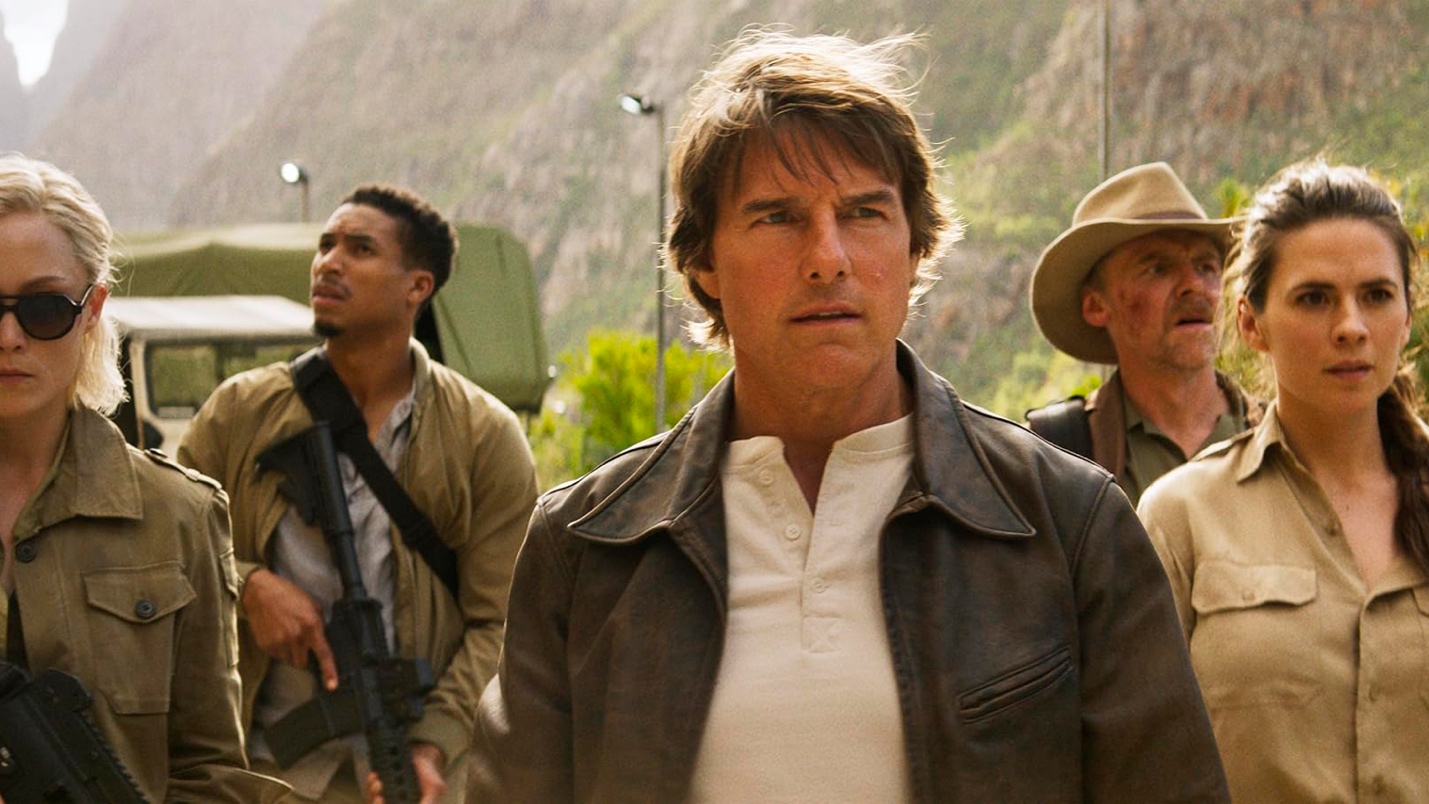
But the first “Mission” told a relatively local story about one unjustly accused agent. “Final Reckoning” aimed at a large-scale plot about the struggle between ideal artificial intelligence and the living embodiment of chaos, Ethan Hunt.
Final Reckoning tries even harder to be a dark thriller. We spend almost the entire first hour in offices and cramped rooms: the heroes tediously and several times discuss that Entity has captured almost the entire global network and is about to get to nuclear arsenals. The only way to stop him is to find a sunken Russian submarine, use a special key to open the device where the AI is stored, and destroy it with a computer virus specially invented for this purpose. The problem is that the ideas of Hunt and the American government differ: Ethan wants to destroy the Entity, and the authorities intend to take such a powerful force for themselves.
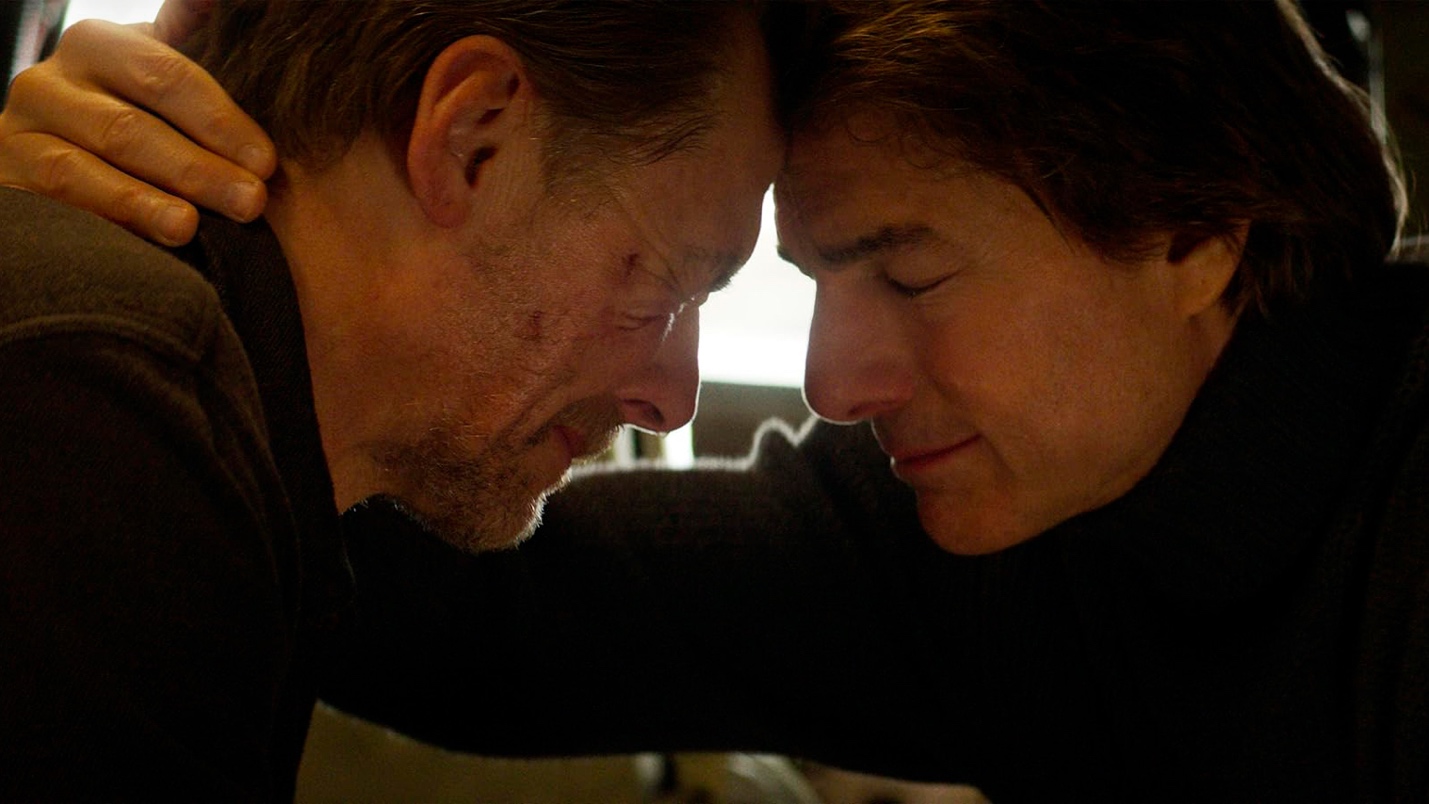
The conflicts themselves in “Final Reckoning” are sharply written: the main character once again must choose between duty and common sense, maneuver between the desires of the state and his own unshakable philosophy. At one point, the villain Gabriel gets the killer virus - so Ethan Hunt also has to cooperate with the antagonist and build a cunning multi-move to win. It’s just that the new “Mission” moves through these conflicts at a snail’s pace, unusual for the series. Instead of pushing the plot forward, the authors constantly try to raise the stakes, but they do it in the most boring way possible - through dialogue. The characters tell each other that the world is about to disappear, that artificial intelligence cannot be stopped, that everything is already predetermined. Sometimes the film shows flashbacks several times of episodes that happened literally 10-20 minutes ago. Apparently, after the financial failure of “Final Reckoning”, the authors do not believe in the ability of the modern viewer to remember the events of neighboring scenes. “Final Reckoning” greatly lacks the brevity of “Aftermath” or the second “Top Gun.” Still, blockbusters are characterized by deceptive simplicity - and the new “Mission” looks overcomplicated for no good reason.
“Final Reckoning” is built on a fascinating idea: the ultimate computer brain can only be defeated by human courage bordering on madness. Tom Cruise’s third film talks about this to one degree or another - not only the last “Mission”, but also “Top Gun: Maverick”, where his hero went against inanimate algorithms and won through old-fashioned dashing individualism. The theme of the confrontation between man and computer also interestingly parallels Cruise’s creative method: in the age of digital technology, he continues to risk his life for the sake of spectacular shots, making films that do not follow studio laws. Only in the case of “Final Reckoning” there is dissonance. On the one hand, the film “opposes” soulless studio blockbusters. On the other hand, it is subject to many unpleasant trends. The new “Mission” constantly puts pressure on nostalgia: at some point we are even shown a montage of highlights from past parts. And the plot includes, for example, a minor character from the first film, who once lost his job because of Hunt. 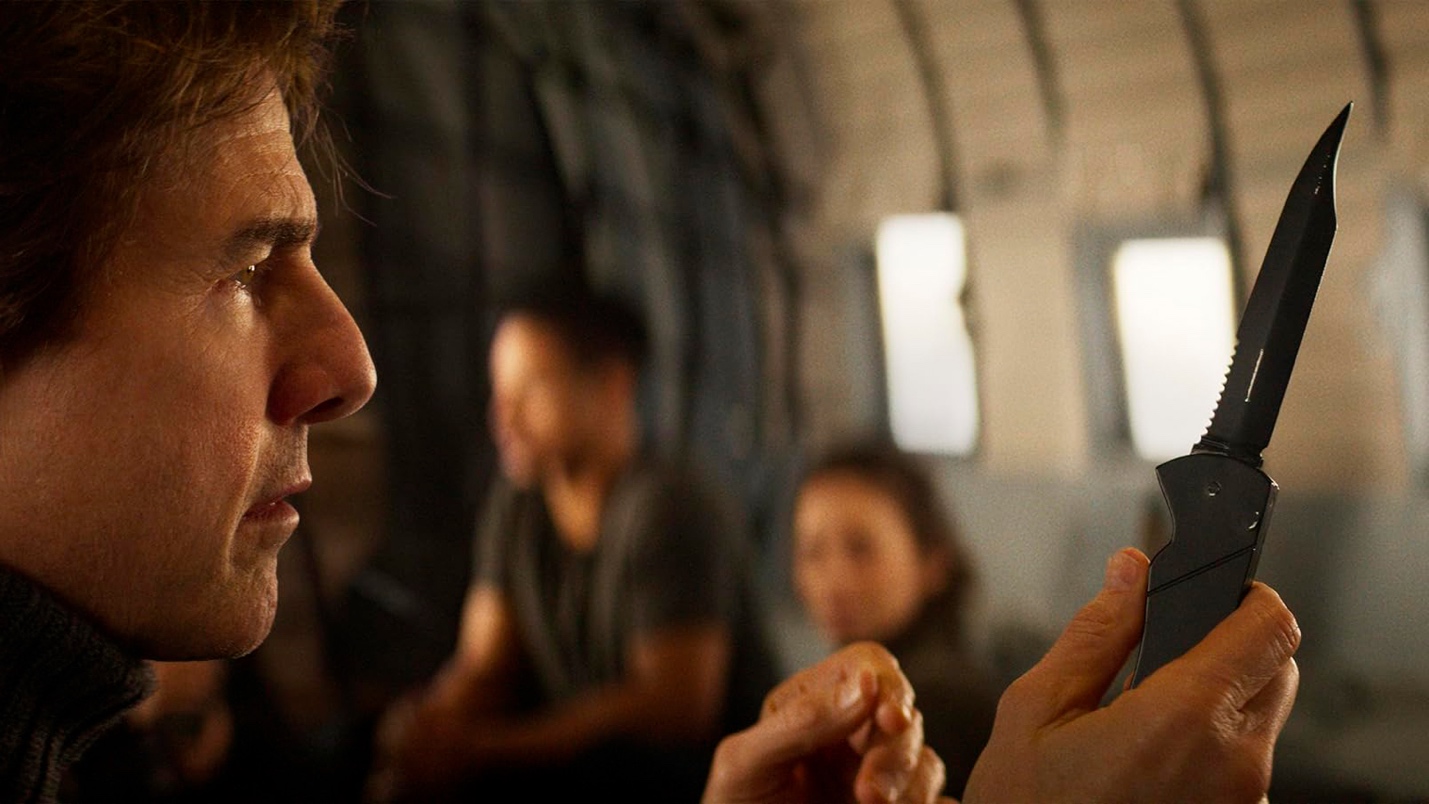
Those around him unanimously tell Hunt: everything you did in the previous parts brought you here. This is your final, decisive mission. It even explains what the “rabbit’s foot” from the third part was - a device of unknown purpose that the villain played by Philip Seymour Hoffman was chasing. This approach does not suit the Mission: Impossible series at all. The films of this franchise have always been distinguished by a certain autonomy: they changed their style, each time trying to surprise with something new. And this time they are trying to fit the entire colorful history of the cycle into one three-hour epic. It is not surprising that the picture comes out so ponderous and clumsy. 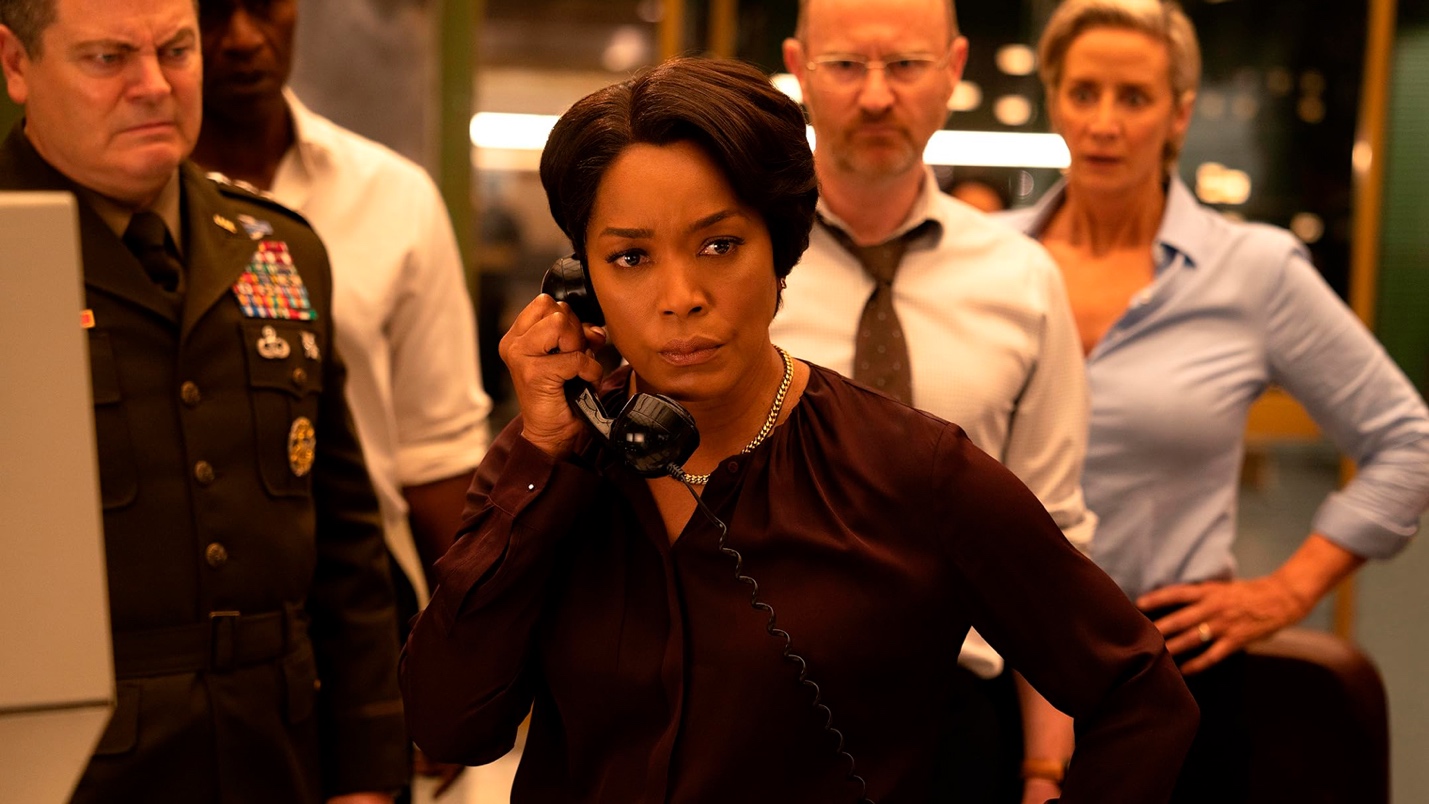
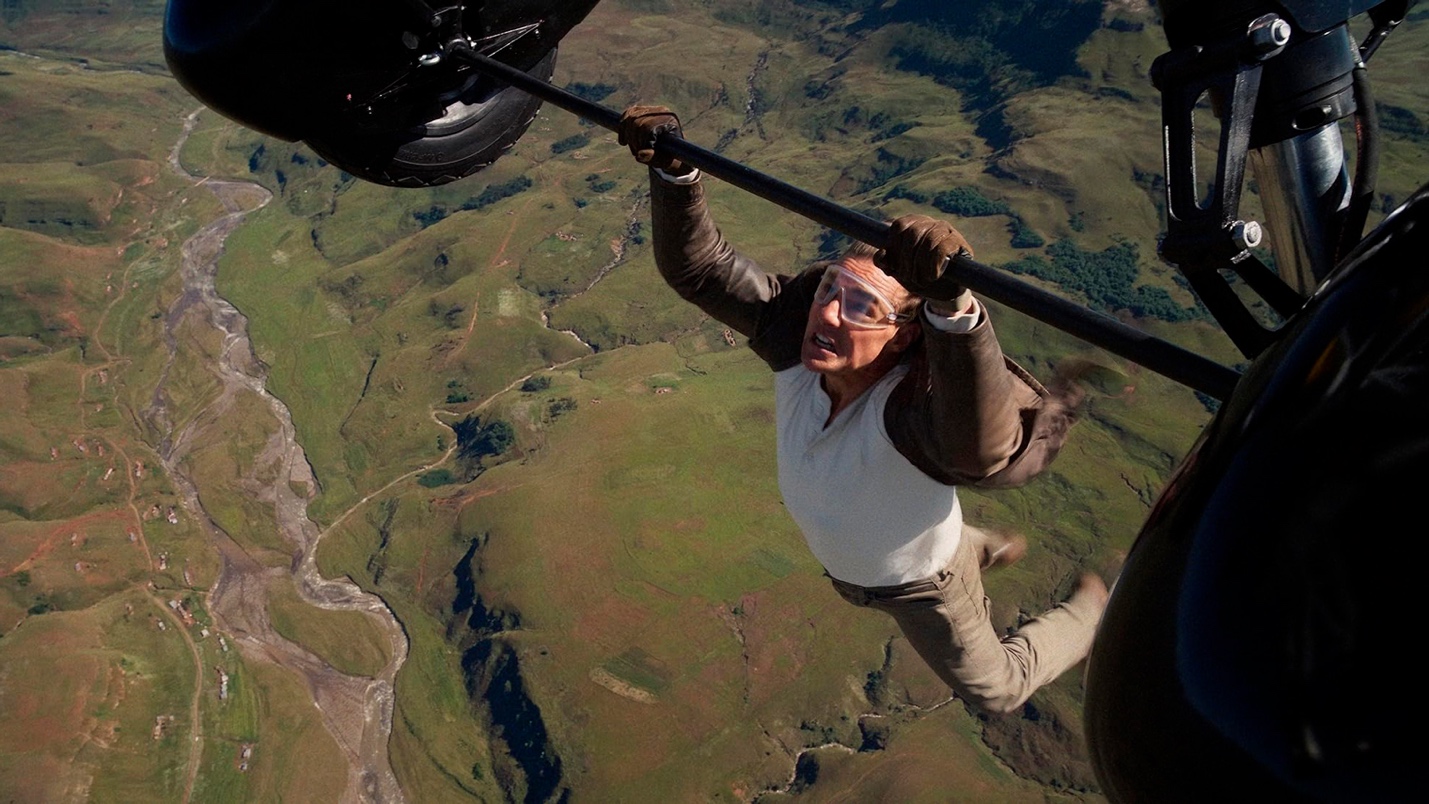
However, all the significant disadvantages of “Final Reckoning” noticeably fade in comparison with its one great advantage: when it comes to the action, the film blossoms. The entire intricate exposition leads us to two large-scale sequences: one in which Ethan Hunt dives to the bottom of the cold ocean to infiltrate a Russian submarine; in another, he clings to the wing of a flying biplane, and then, right in flight, climbs from it to another plane. The scenes themselves are amazingly conceived - like separate mini-movies. Ethan Hunt has to dodge the submarine’s propeller, wade through frozen dead bodies and swim out from under still working nuclear missiles. Tom Cruise, at 62, heroically climbs a plane flying at great speed, hangs over an abyss and even manages to fight at a dangerous height. 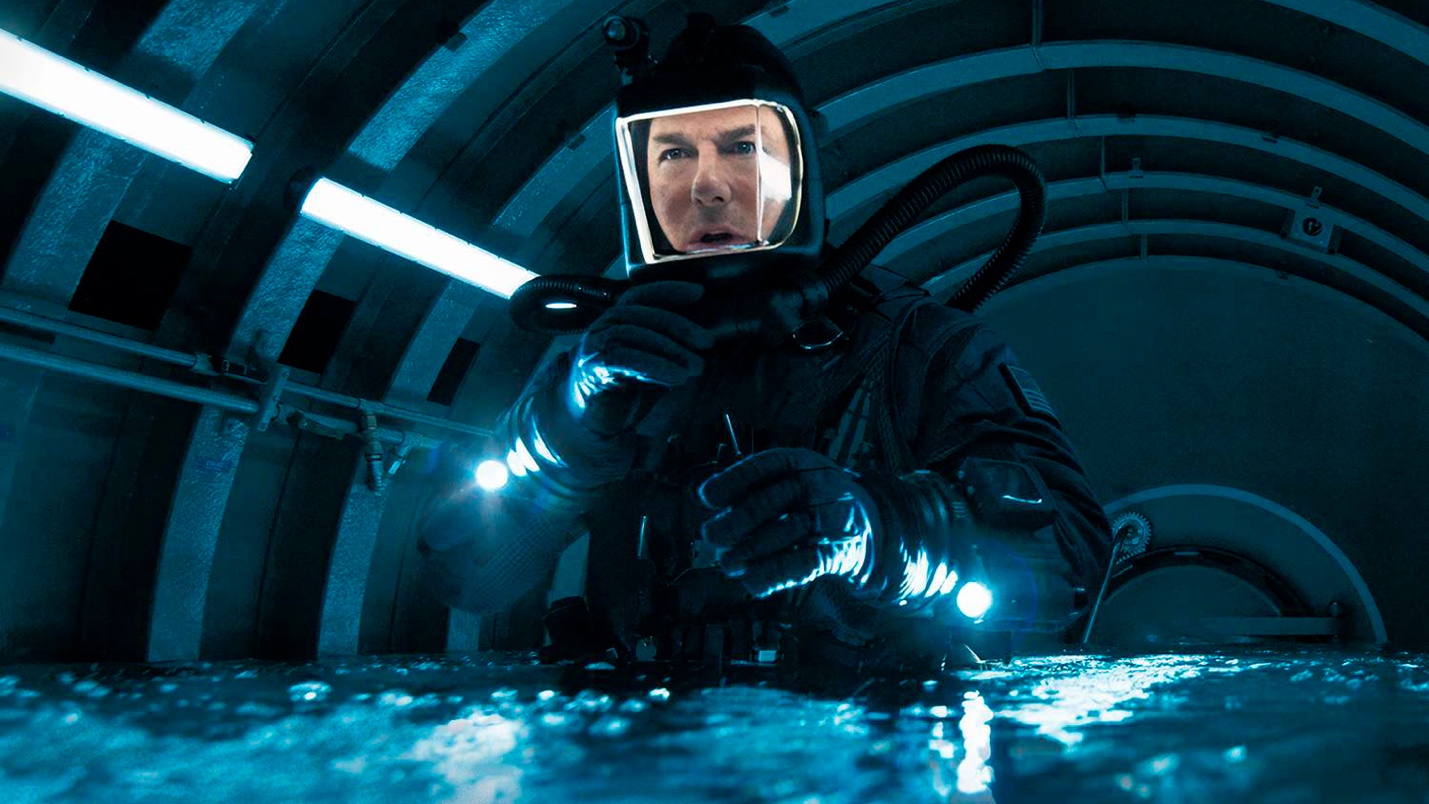
The film’s bloated scale even helps these sequences somewhat. It is precisely because of how long and painfully the idea of the importance of the upcoming mission is hammered into the viewer that we truly feel the high stakes. It only takes one wrong step to lose. And to win, you need a million circumstances to coincide perfectly. When everything finally comes together, there is genuine catharsis: we have once again been deceived that the mission really could have been impossible. For all its flaws, “Final Reckoning” is still far from disappointing. But I want Macquarie and Cruise to find a new tone again for the next “Mission.” If she does, of course. Which, even despite Tom Cruise’s age and the not-so-rosy financial prospects for the series, is not at all difficult to believe.