
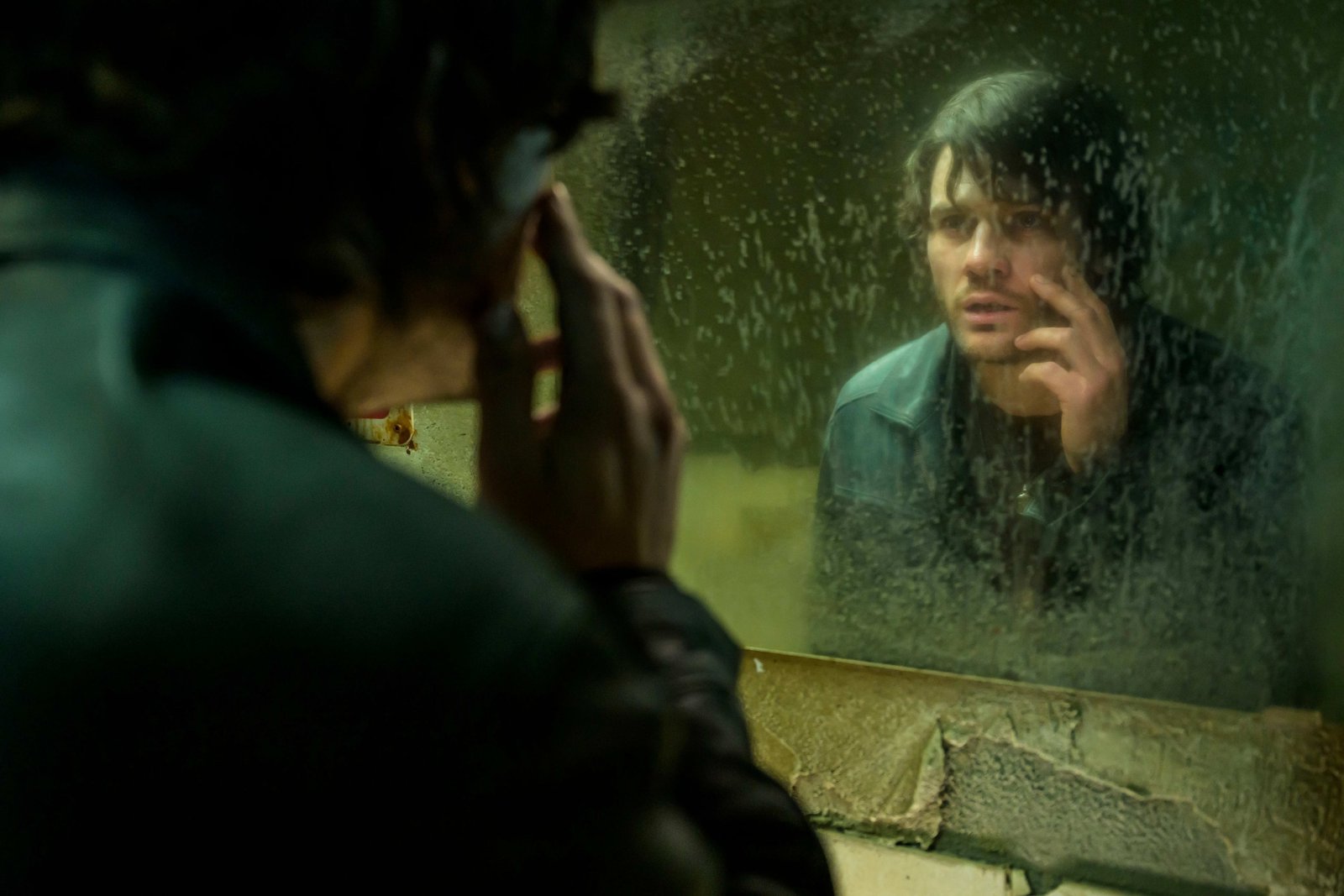
Artist James Sunderland (Jeremy Irvine) is struggling to cope with the end of his relationship with his beloved Mary Crane (Hannah Emily Anderson), which is why he sees a psychiatrist and often seeks refuge from reality at the bottom of a bottle. Everything changes when the man finds a note from Mary asking him to come to Silent Hill, where they first met. Yet over the years the Massachusetts resort town has turned into a ghost town, a shadow of its former self. What was once a sunny, cheerful place now feels more like hell on earth, where James will have to face a terrible truth from the past.
Christophe Gans had dreamed of adapting Silent Hill 2 almost since the game’s release in 2001: in interviews he repeatedly said he wanted to make the sequel, but understood that James Sunderland’s personal story could be hard to grasp without knowledge of Silent Hill itself. So in the end he chose to adapt the first game in the franchise, which he did in 2006. Already in that film it was clear the director had his own vision of the cult video-game town: in Gans’s version far more weight went to the religious angle, while the psychology of the characters was largely pushed to the background.
The visuals, in turn, were heavily focused on pain and brutality: yes, the original 1999 Silent Hill also told a grim story of burnings, physical and psychological violence and more, but the game handled it with due restraint. Gans, by contrast, filled the screen with litres of blood, dismembered bodies and flayed skin, which did not sit well with everyone. Still, the director had his own idea of Silent Hill, and he chose to keep it in the sequel.
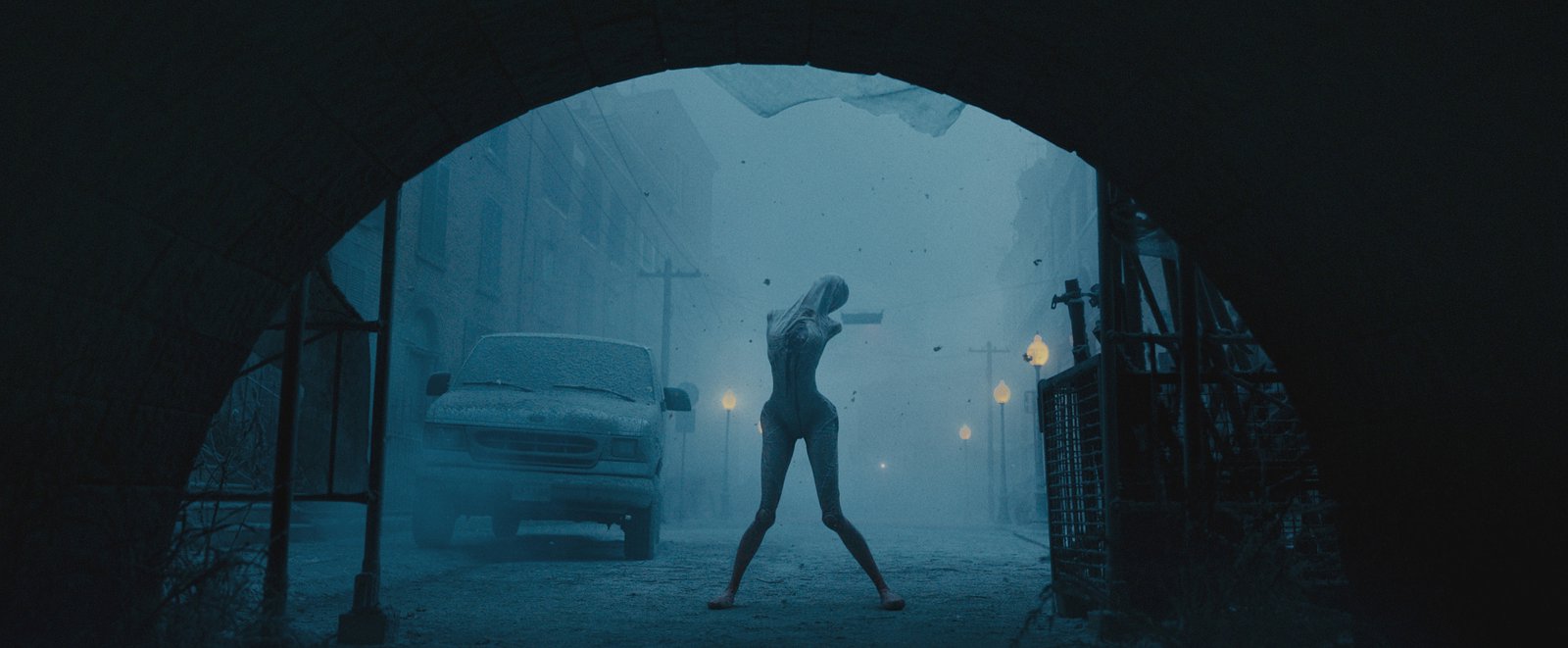
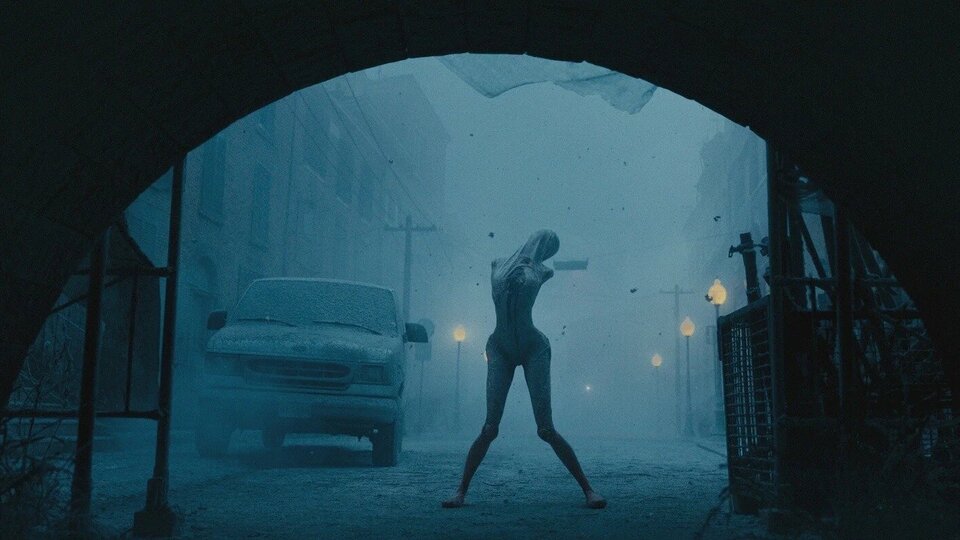
Return to Silent Hill reuses the devices of the earlier film: the nightmare reality is once again born of metal, rust and flame, populated by grotesque monsters — swarming roaches with human faces and Lying Figures, creatures whose arms are strapped to their bodies and whose chests hold a gaping hole oozing acid. In that sense the film does feel like a return to familiar ground thanks to the full preservation of the previous film’s aesthetic.
James, like Rose in the first instalment, shuttles between four Silent Hills: the foggy, the nightmare, the real and the town from the past. In place of slow, suffocating horror we get endless chase sequences with hordes of roaches and other creatures; the main scare tactics are jump scares and grotesque violence. Both are again in plentiful supply, as is attention to the local religion.
At the same time the new elements are undercooked: the cult’s goals remain a mystery, the search for the bride goes in circles, the monsters have lost their symbolism, and the jump scares feel like early‑noughties boilerplate. It all comes across as a desperate attempt to tie the two Gans films together — even though the first and second games had little in common beyond the setting and some world-building rules.
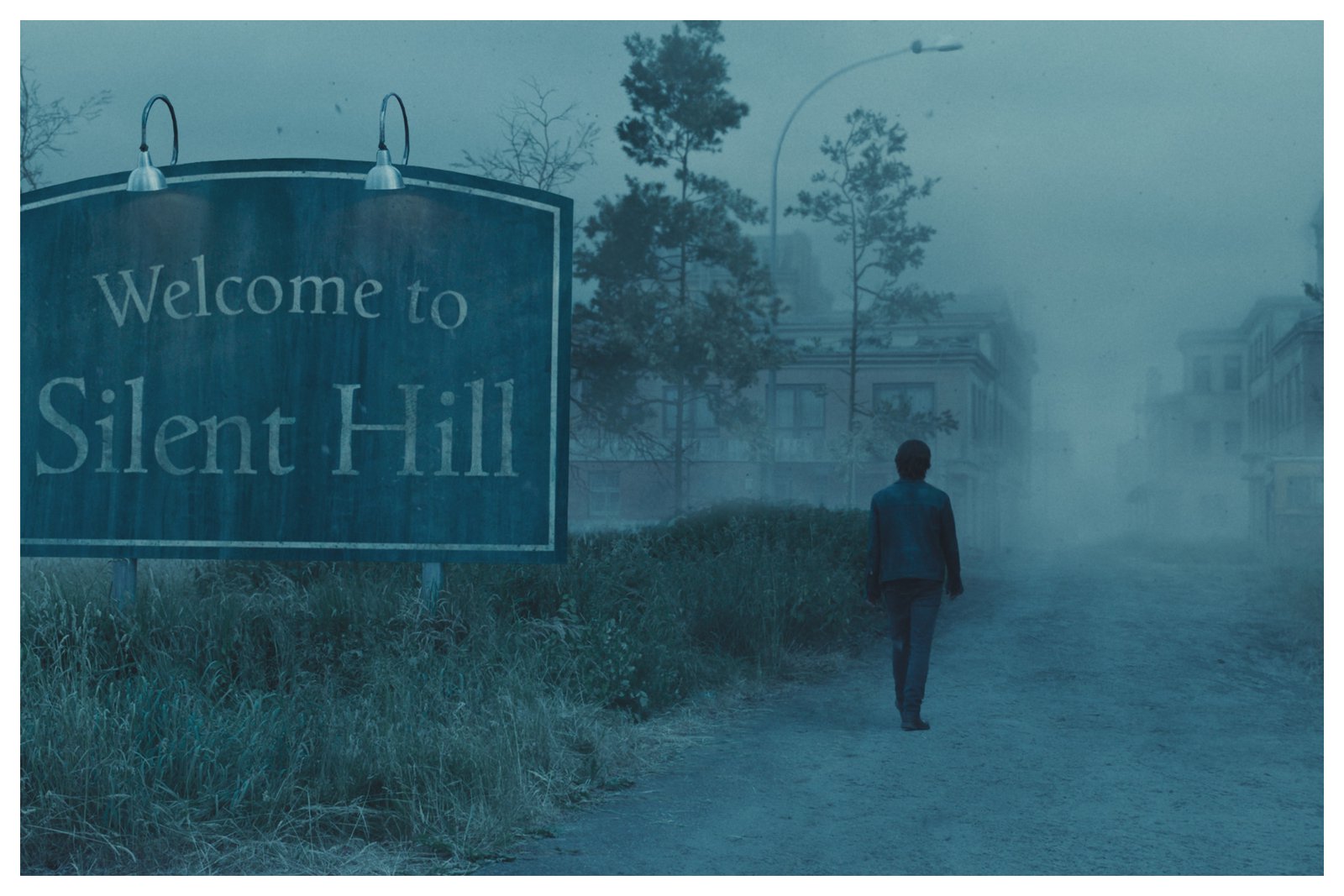
There is, however, a big «but»: the town on screen is not the same Silent Hill as before. Literally: the 2006 film said the town was in West Virginia, while Return to Silent Hill sets it in Massachusetts. The first film used the real town of Centralia, Pennsylvania — where underground coal fires have been burning since 1962 and the population left — as a basis. That choice allowed certain elements from the game to be reworked: for example, the snow falling in the middle of summer that surprised the game’s hero became ash. The sequel also has ash — except there is no underground fire to speak of. Other factors that led to that Silent Hill’s downfall are absent too, yet the new town in another state still keeps the same rules, right down to the wailing sirens. As a result Silent Hill on screen feels almost like a set that has lost its soul, the one where the shifting architecture used to adapt to each unfortunate visitor.
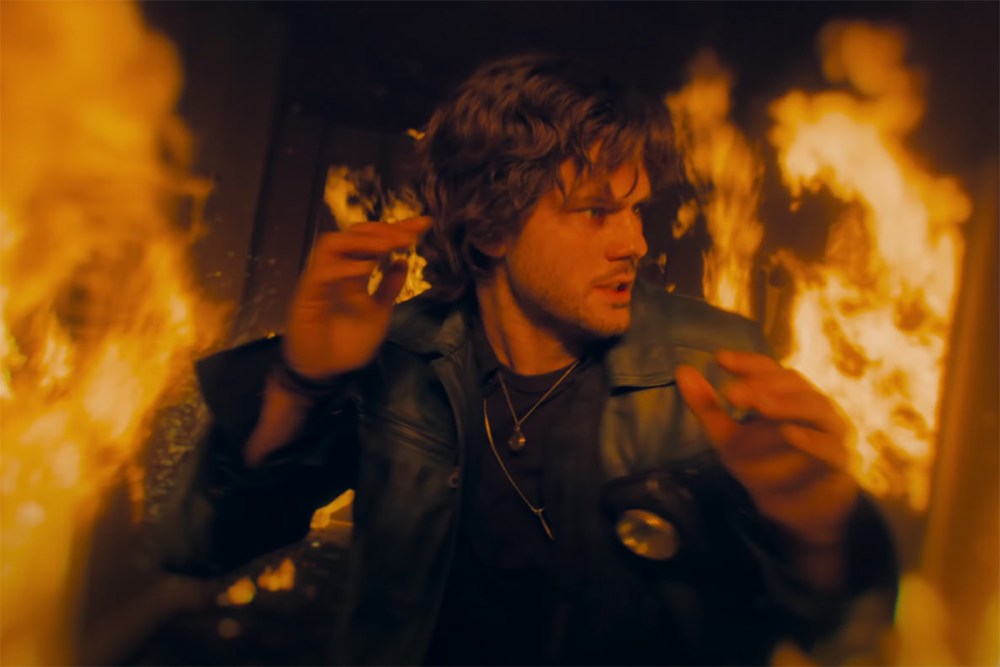
If one looks past the repetition of the 2006 film’s tricks — already no small ask — the film is riddled with other issues of varying scale: from the many flashbacks that make up nearly half of Return to Silent Hill to the odd handling of the characters. The latter is striking not only as an adaptation of figures fans have known and loved for a quarter of a century, but on its own terms: Eddie, one of the few key characters from Silent Hill 2, is stripped of his arc entirely and appears for no more than five minutes.
As in the first Silent Hill, Gans is more interested in the female characters, so James repeatedly crosses paths with five of them: Mary, Maria, Angela (Eve McLain), Laura (Evie Templeton) and M (Nicolas Alexis) — a psychologist working with James’s troubled state. The problem is that their personalities are flattened, and the game’s central twist, once so shocking to players, is reduced to a brief scene almost entirely devoid of emotional pull.
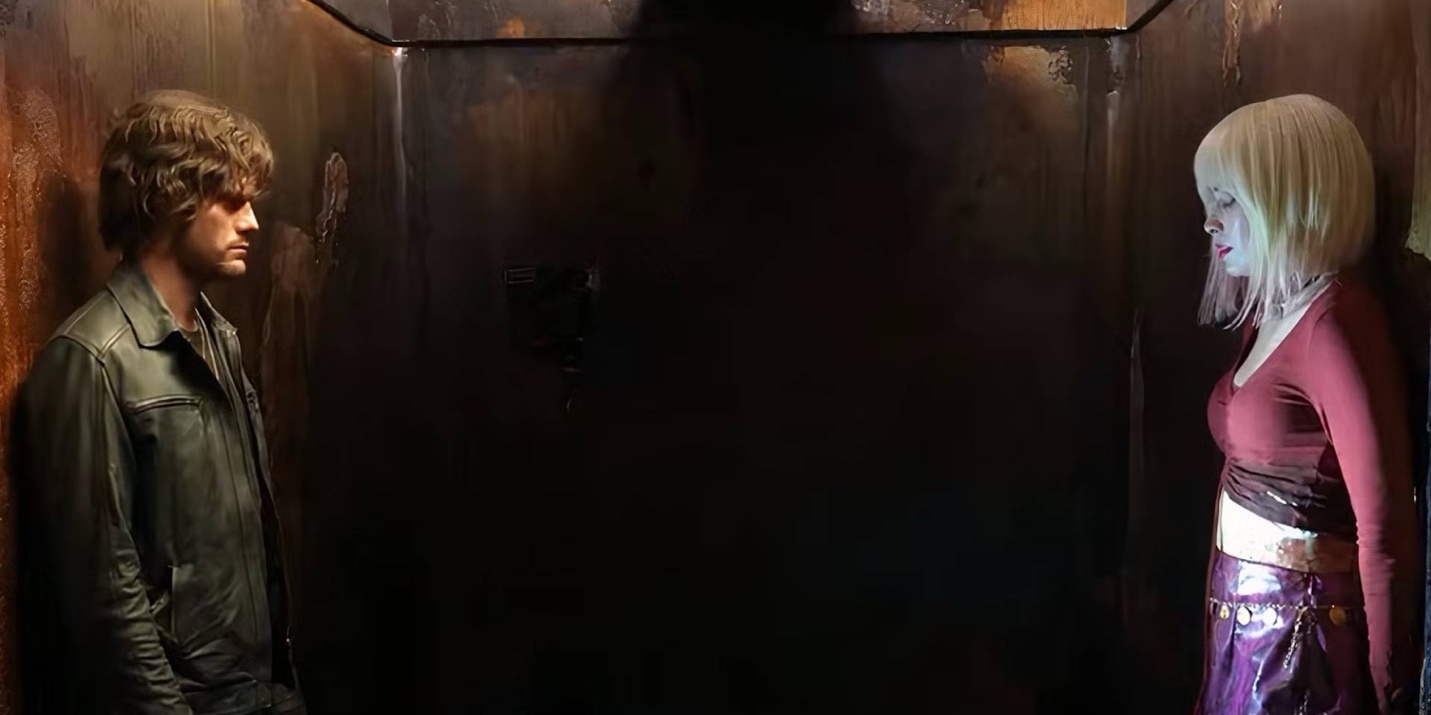
It is clear that Gans really did conceive the film back in 2001. On Silent Hill 2’s release the sequel was criticised for moving away from the first game’s formula, dropping most of the esoteric side and focusing on the psychology of the situation. Gans decided to «fix» that and made his own version of the story, bringing back everything that was «missing». It hardly matters that over time the second game came to be seen as the best in the series — precisely because it did not rely on familiar scare tactics but on the darkness inside the human mind.
The director is still plainly more drawn to grotesque violence and sinister cults than to plumbing the depths of the psyche. Perhaps it would have worked if the film had come out 20 years ago; as it is, alas, it plays like a misfire best forgotten as soon as the credits roll.