

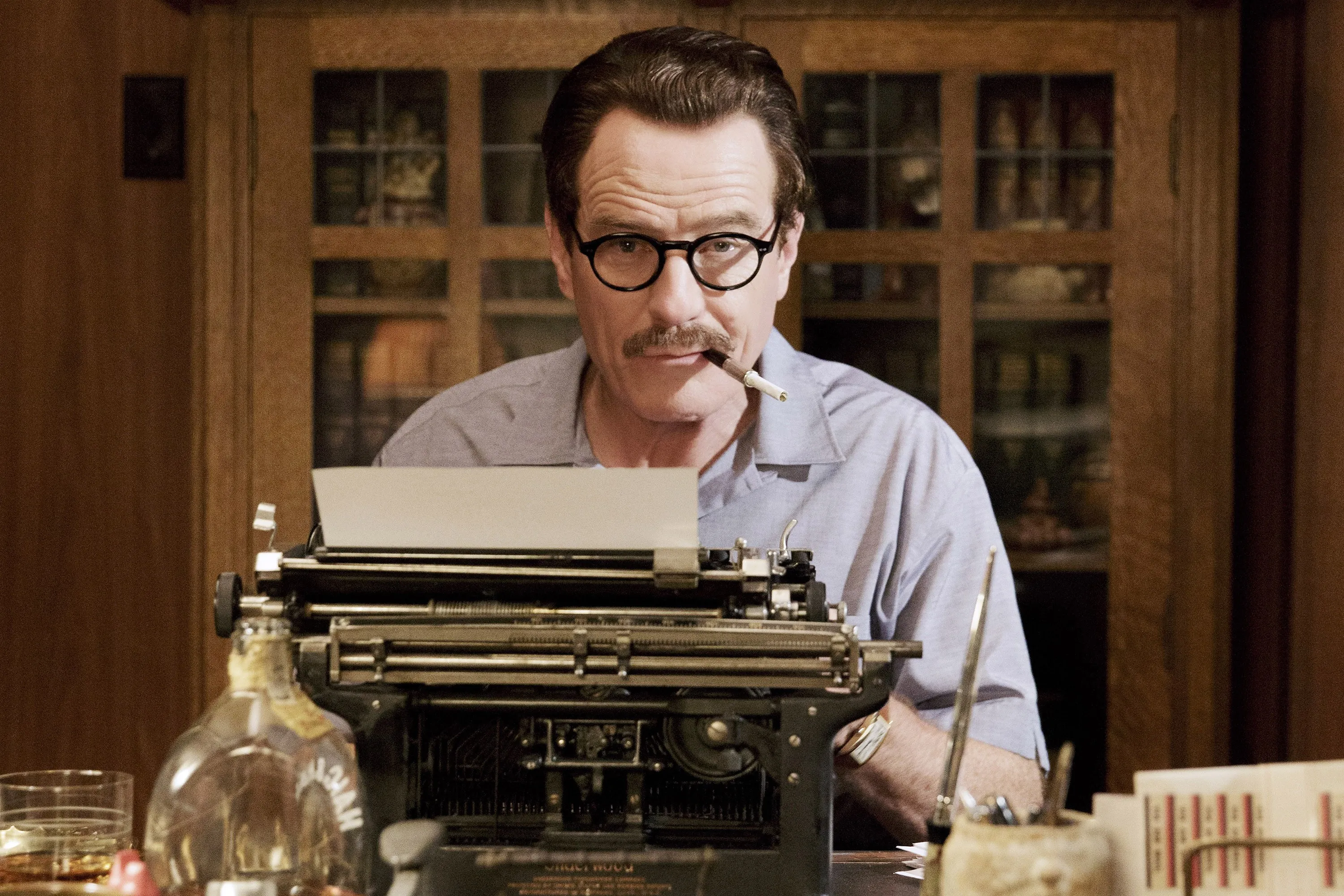
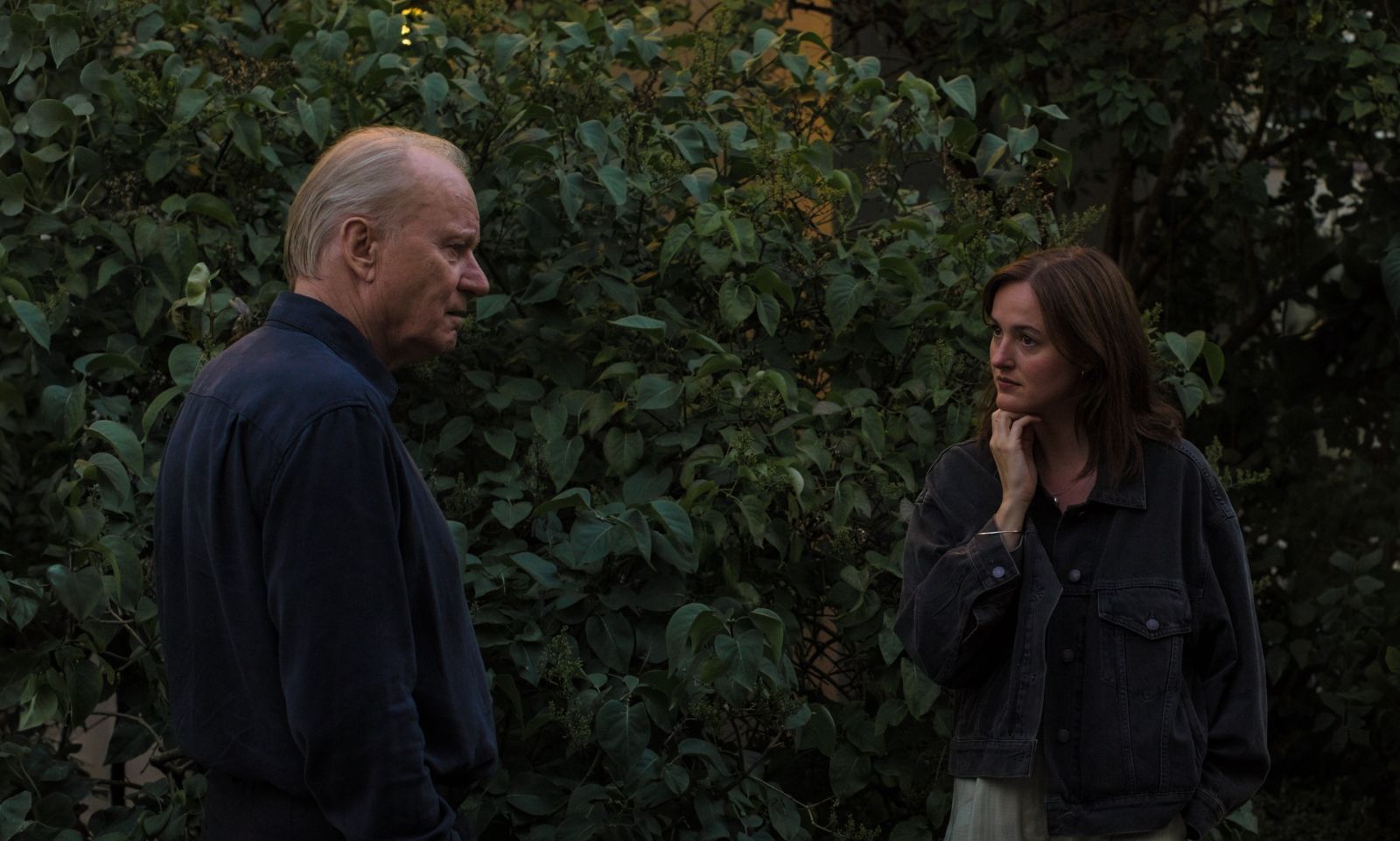
After the celebration, an empty house remains: glasses with lipstick marks, wine stains on the floor, dirty dishes in the sink, and the echo of laughter fading into tired silence. Joachim Trier’s “Sentimental Value” is like such a house — a place where the party has ended, guests have left, and the family is left alone with their wounds and memories. The film won the Grand Prix at Cannes and received a 19-minute standing ovation — longer than any except “Pan’s Labyrinth” and “Fahrenheit 9/11.”
The voiceover endows a house in Norway with sensuality and autonomy — a staircase can be ticklish, and the walls bear marks of children’s growth, though those children have long since grown up. More people than usual gather in the living room for a tragic reason: their mother is gone. Two daughters — older Nora (Renate Reinsve) and younger Agnes (Inga Ibsdatter Lilleaas) — accept condolences with restraint, and the house truly feels empty. At this painful moment, father Gustav (Stellan Skarsgård) appears, long gone from the family but drawn back by the magnetic pull of familiar walls. The question is whether he returned out of fatherhood or because of the property and plans for the house’s “personal life.”
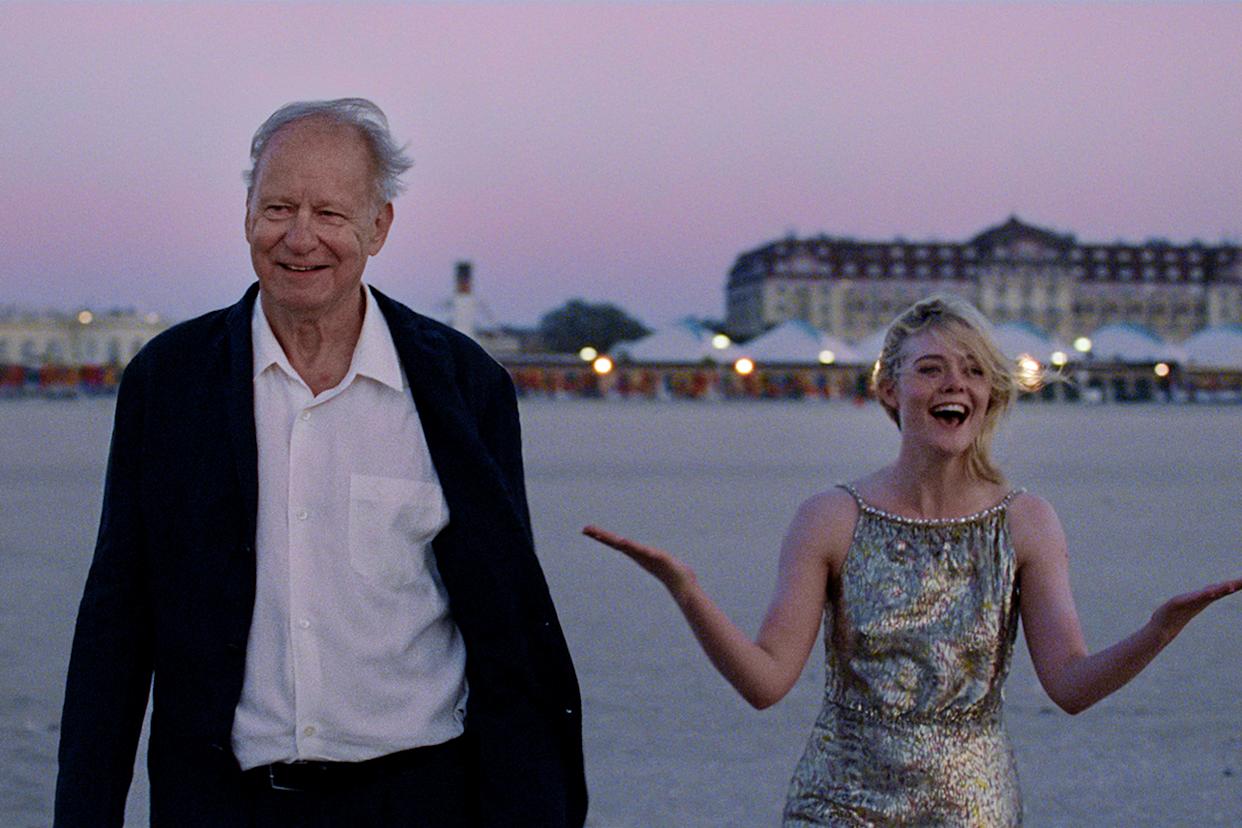
All three Bergs are connected to film and theater — a director, an actress, a psychotherapist through art. Joachim Trier himself doesn’t hide the autobiographical elements: he’s a director and father of two daughters, and Gustav Berg is an alternative version of himself, one possible future scenario. A respected filmmaker who received a retrospective but left cinema until this moment. When Gustav enters a room, everyone smiles and feels their own worth — this is what happens with directors on both sides of the screen.
Sensing the twilight of his career and life, Berg decides to make an autobiographical film. He asks Nora to play his mother, who took her own life, and Agnes to allow her son to debut in cinema, continuing the filmmaking dynasty. The house where Gustav’s mother hanged herself must become the shooting location according to the father’s ambitious plan.
Sentimental value — these are the markers of attachment that unhappy memories hang on a not-so-pretty vase or a dinner set with chipped edges. Nora refuses the role in the family saga not because the script doesn’t reflect reality, but because her father doesn’t deserve attention. The actress is mentally destabilized due to trauma inflicted by the paternal figure: in her history, panic attacks before going on stage and an affair with a married man. Gustav will be disappointed but will offer the role to American star Rachel Camp (Elle Fanning), ready to rehearse a Scandinavian accent and believe in the magic of place, even if a symbolic IKEA stool becomes meaningful.
The daughters are destined to travel from rejection to acceptance through midnight conversations, measuring familiar rooms in steps, and unanswered calls. The two-story house with carved windows is given the role of the main character — the place where the drama of reconciliation unfolds. Sofia Coppola in “Somewhere” and “On the Rocks” carefully depicts attempts to reconcile with the paternal figure from the position of the daughter of a Great One. Trier is more sympathetic to Gustav but doesn’t romanticize the self-absorbed man, instead allowing him to be painfully believable.
Agnes tries to be a mediator between the conflicting parties but also hides threads of distrust under the blanket of family ties — once, as a child, she drowned in the waves of her father’s fame and probably hasn’t fully surfaced yet. With the weight of their father’s personality, who won’t change but will take a step forward, both daughters try to reach an agreement.
“Sentimental Value” should by all parameters be a farewell film or a testament, but the magic that conquered Cannes lies in the fact that art can be not a tombstone of departed prosperity but that very empty house, full of sentimental value and lyrical humor. A minute of silence after the premiere, when critics and admirers have left, and only the closest remain nearby. Vocation is not only the energy of abandoned nuggets and traumas inflicted within the house’s walls, but also a strong blood bond.