
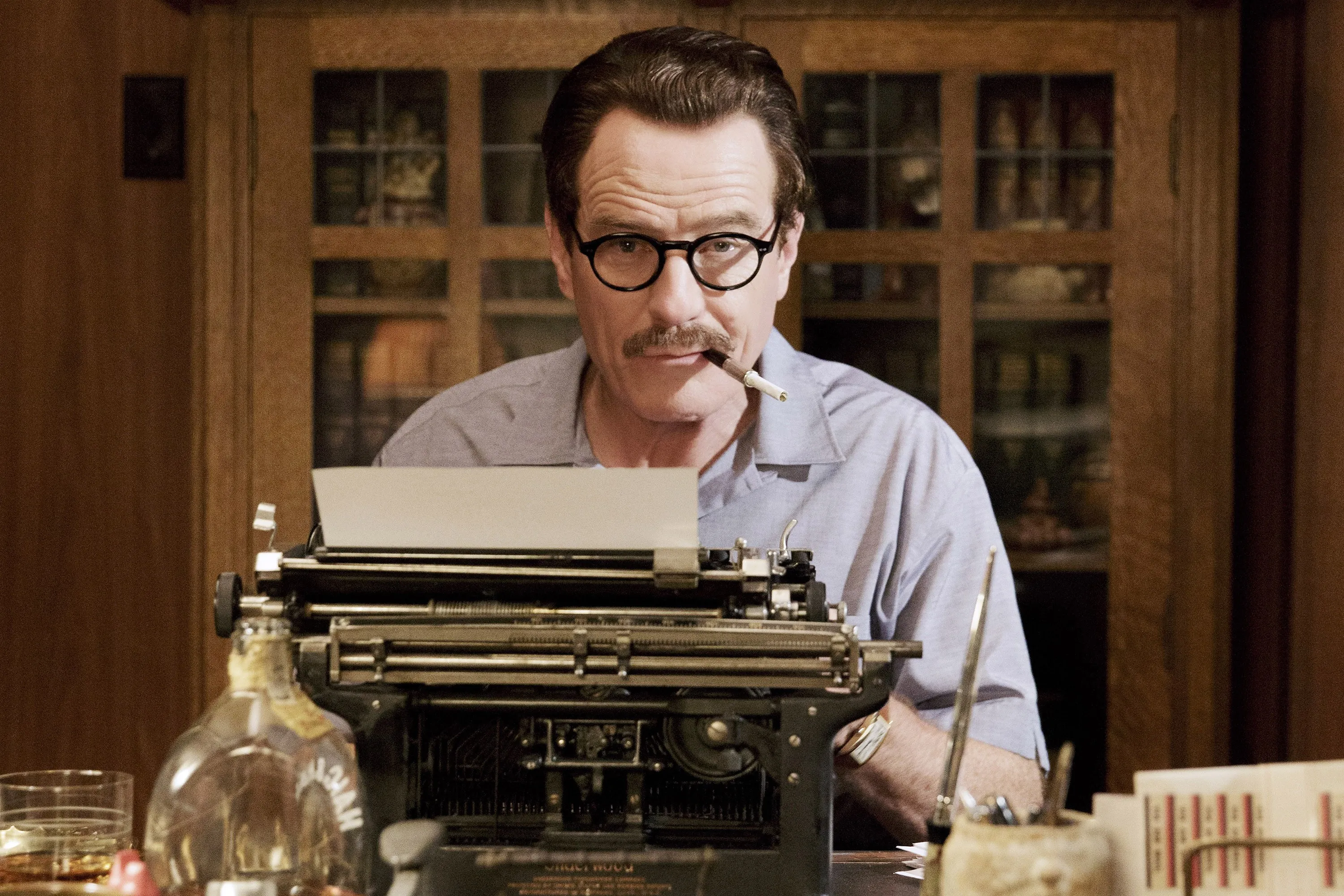
“Weapons” instantly became an Internet sensation, starting with a 100% freshness rating on RT and a wave of admiration from critics, setting a high bar for expectations. Judging by the first weekend, the hype was justified, but debate immediately began on the Internet: does elevated horror without furrowed brows and complex metaphors deserve such praise? In recent years, the genre has begun to lean heavily on images of trauma (Smile, Taken, Bring Her Back from the Dead, Reincarnation—the list is long). If you really want to, here you can draw a commentary about the consequences of loss or about school jokes, and if you relax, you can see ridicule of the inaction of the police and society in the face of danger. Endlessly scrolling through alarming news feeds, we have already become so hardened to tragedies that we lose the reflex to help our neighbors and simply watch what is happening in stupor. Even if something terrible is happening right under your nose. 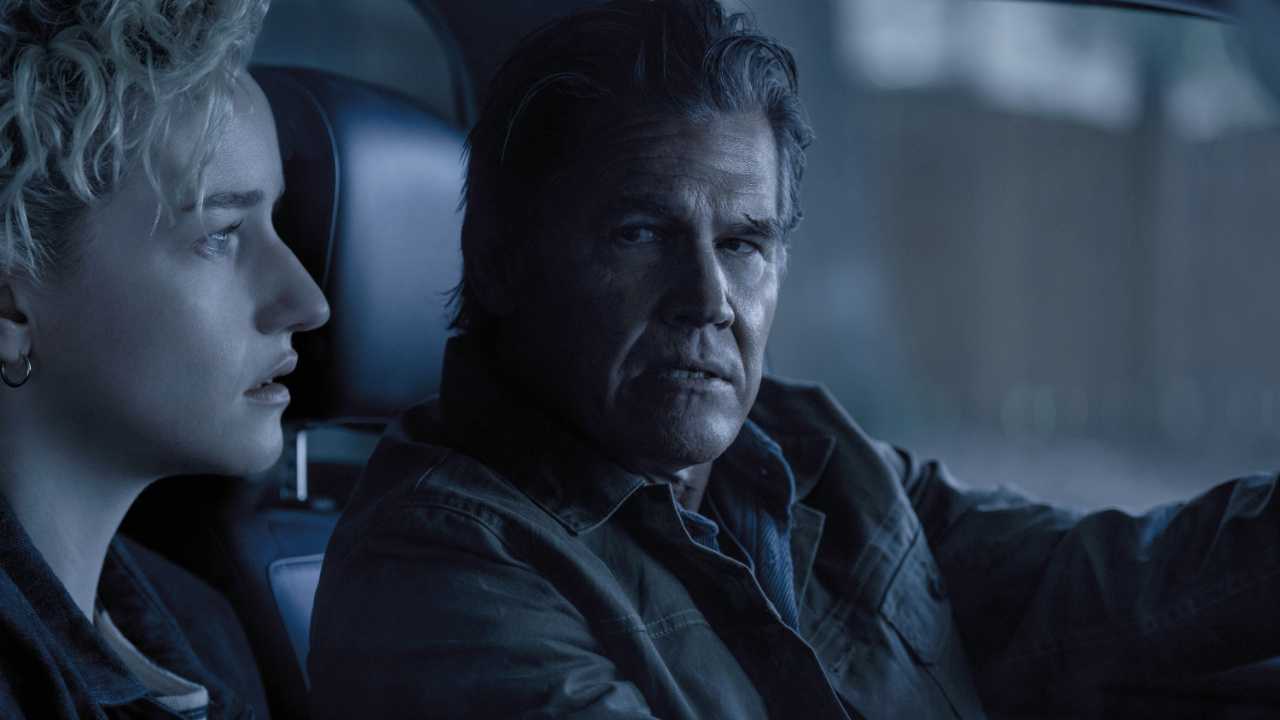
“Guns” does not seek to overwhelm the viewer with sharp social commentary or force reflection on topics of mental health, but stands out due to a masterfully constructed plot that makes the audience laugh and jump in their seats in unison. The film begins with a child’s voice telling the story and ends with it, positioning itself as a scary fairy tale. Cregger doesn’t get bogged down in unnecessary details: the backstories of the characters and their personalities are read in the first minutes through dialogue. Where did this evil come from? What difference does it make - the main thing is how they deal with him. 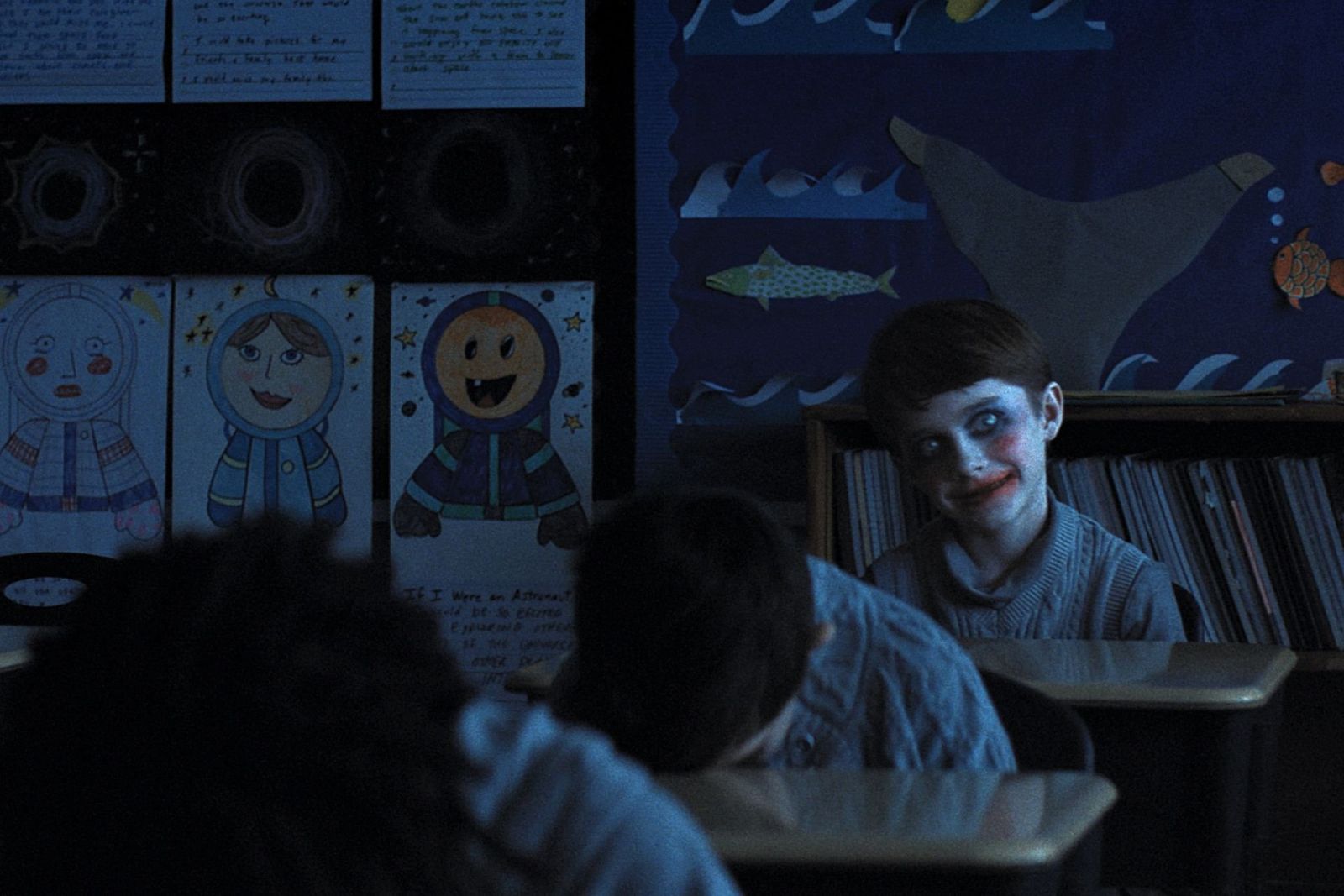
Like Cregger’s previous film, The Barbarian, Guns’ trailer and marketing campaign didn’t reveal any plot details. The full wow effect is achieved by slowly immersing yourself in the detective story: you never know what awaits around the next corner. The camera moves with the characters in many scenes, allowing you to be their eyes and slowly explore the space: sometimes this leads to cardiac arrest, sometimes to uncontrollable laughter. The story is told from the perspective of six characters, with each chapter adding context to the proceedings; The closer to the end, the more your blood boils. The parts differ in mood: anxiety, suspense, comedy, tragedy, and towards the climax all these feelings hit your head at the same time, like after a ride on an attraction with a loop. Therefore, it’s easy to understand the hype on the Internet: after such zigzags, it’s difficult to deny yourself the pleasure of giving the film a high score, if only because we haven’t had so much fun in a movie theater for a long time. 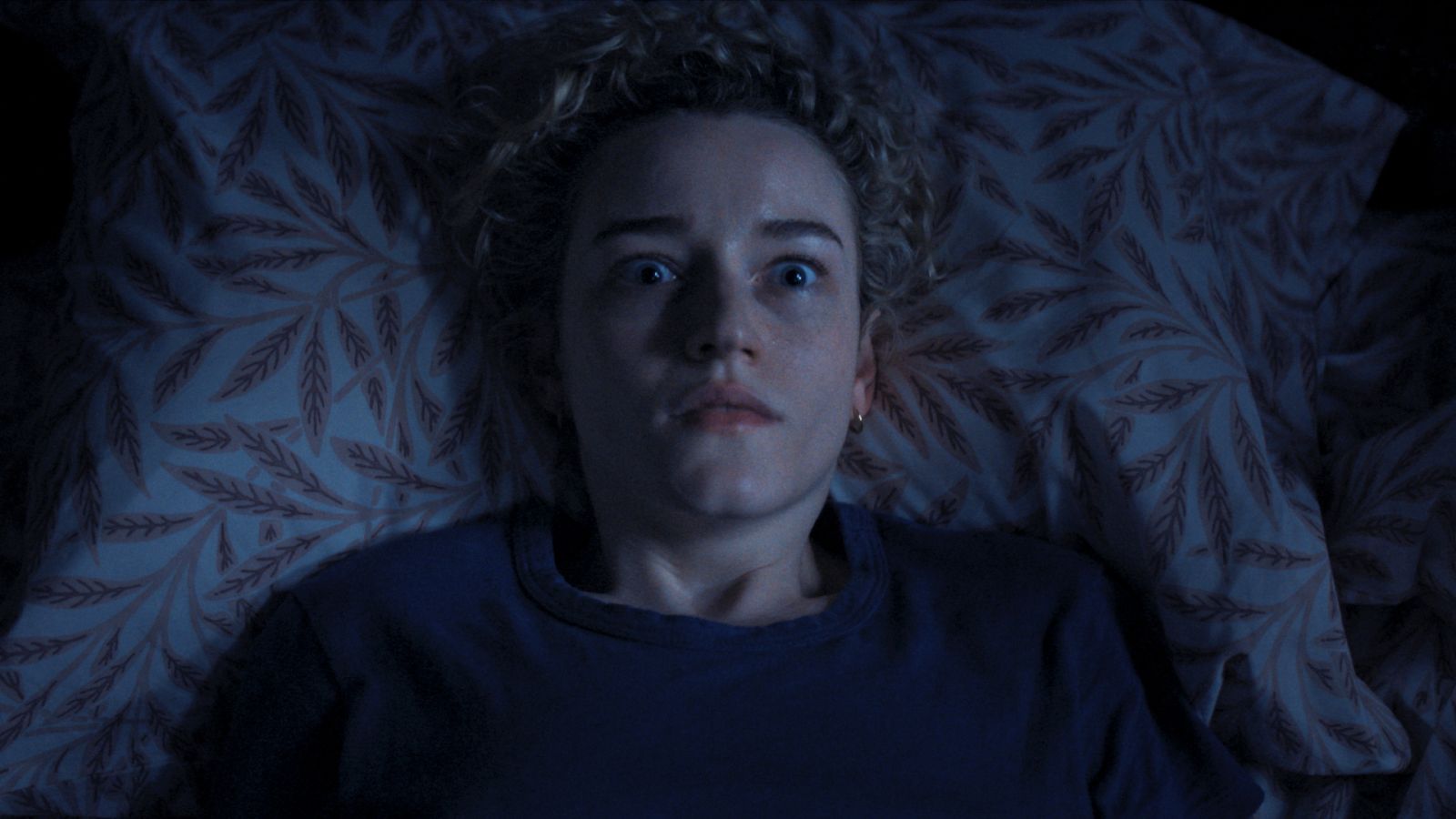
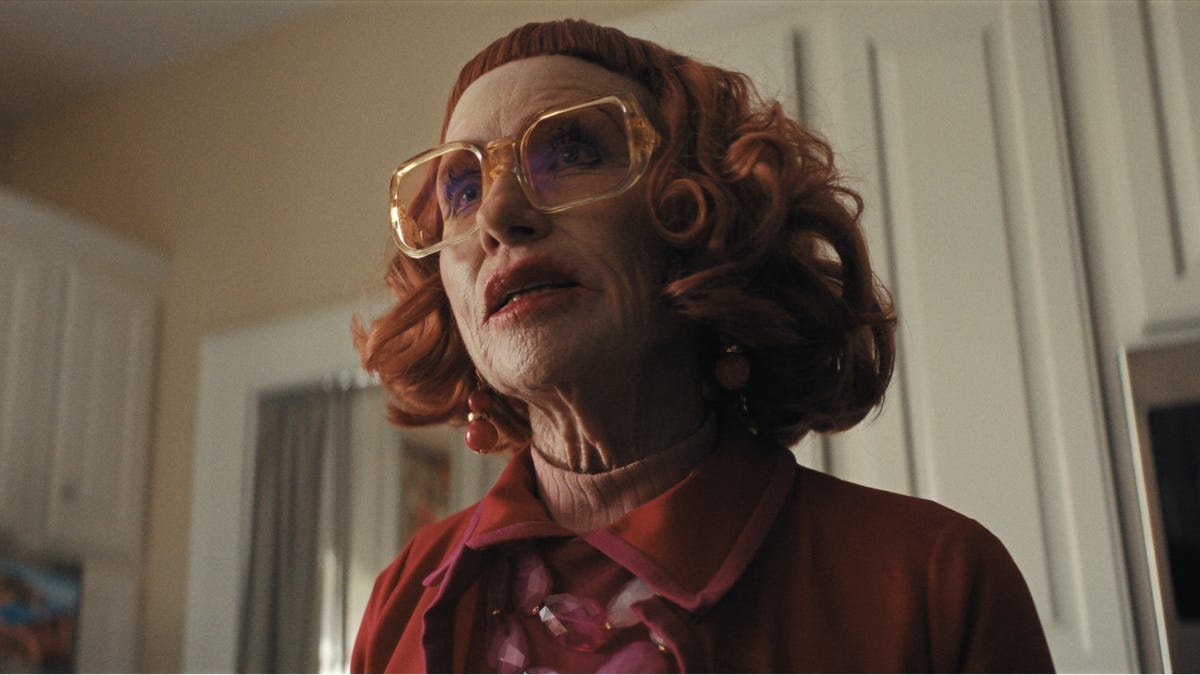
“Tools” is already being compared to “Soul Collector,” but not in favor of the latter. It’s as if Cregger’s film was everything Oz Perkins wanted his creation to be. Both work with the viscous, gloomy atmosphere of American suburbia, where mystical evil with comical makeup has settled. Only for Perkins, many of the techniques did not work: the character of Nicolas Cage turned out to be not as scary as the aggressive marketing campaign portrayed him, the inclusions of humor immediately faded under the strained seriousness, and as a result, the trailer turned out to be more interesting than the final product. Cregger, having a background as a comedy writer, managed to effectively make fun of genre clichés, even successfully assigning the mission of “comic relief” to one character. Unlike “The Collector of Souls,” in “Guns” the main evil (we won’t spoil it!) is frightening in its everydayness - in the fact that dark things are happening right in front of the characters’ eyes. And it was this earthiness that made every appearance of evil truly creepy… sometimes nervously funny. Perhaps Oz Perkins should still start watching modern horror films to understand what they look like.
In the credits, Cregger thanked David Fincher, who was available for mentorship. According to the director, “Guns” would have been completely different without the help of his senior colleague: Fincher gave him a lot of advice on editing and non-linear plot building - one of the film’s greatest strengths. A simple story, at first glance, reveals itself layer by layer in a new way: it shocks, frightens, makes you laugh and keeps you in suspense for the entire two hours. But the plot does not depend only on unexpected turns; upon repeated viewing, you can catch details that escape the first time. Sometimes a movie works without the heavy subtext hidden between the lines, encrypted in the visual code, and you can enjoy it without turning on the cinephile detective mode.