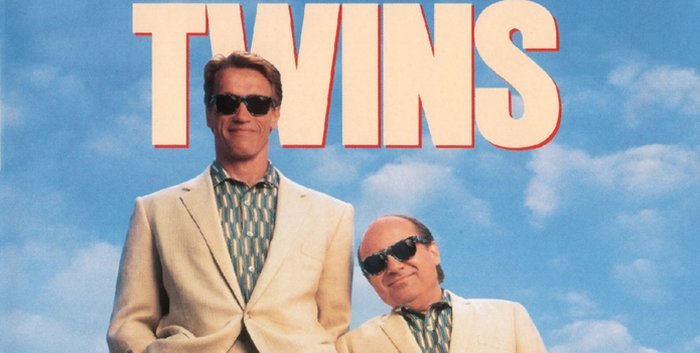
Hollywood has long suffered from “twin films” — pairs (or even trios) of movies that premiere almost simultaneously and feel eerily alike.
First, let’s unpack why this keeps happening; the second half of the piece is a gallery of examples.
Kick-off examples
Prime ministers
In 2017 alone we saw three Winston Churchill/Dunkirk films:
-
Churchill — strictly about the man himself.
-
Dunkirk — strictly about the evacuation.
-
Darkest Hour — covering both the PM and Dunkirk, with Gary Oldman winning an Oscar.
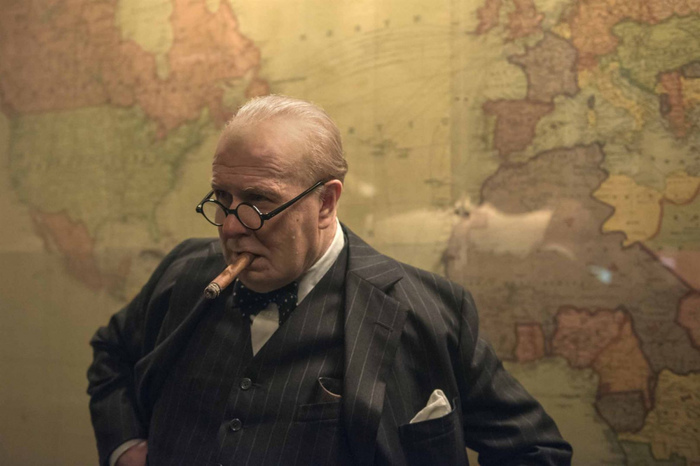
(Gary Oldman in character.)
Presidents
Olympus Has Fallen and White House Down both arrived in 2013 just months apart.
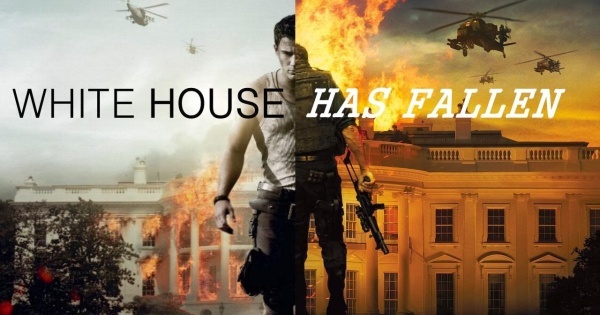
Each centers on terrorists storming the White House, taking the president hostage, and a lone hero saving the day. They were so similar that audiences confused the trailers, yet both turned a profit.
Possible explanations
Twin films tend to cluster in four categories:
-
Biopics
-
Movies built around unusual settings
-
Animated features
-
Dramas about major historical events
The two most common theories:
- Marketing piggybacking
If a competing studio promotes a similar film, your project enjoys free publicity and you can spend less on ads. Audiences who loved one movie may sample the other because the topic feels familiar.
- Parallel development
Writers and producers often pitch the same idea to multiple studios to improve their odds. One studio greenlights it, but another executive may also love the concept — and suddenly you have two separate projects racing to the screen. Thanks to secrecy clauses, the studios might not realise they’re duplicating efforts until shooting is well underway (at which point canceling is more expensive than forging ahead).
The rare exception
In 1974 Warner Bros. and 20th Century Fox both bought Irwin Allen’s concept for a skyscraper disaster movie.
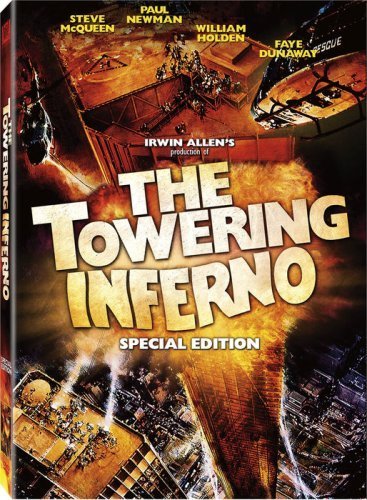
Upon discovering the overlap, they did something unprecedented: they teamed up, split the costs and profits 50/50, and released a single film — The Towering Inferno. It’s the only time the majors have merged twin projects; usually each studio stubbornly goes its own way.
Now let’s look at more examples!
Animated “arms races”
Animation studios (DreamWorks, Illumination, Pixar) constantly jockey for territory, and the rivalry often produces twin releases:
“Antz” vs. “A Bug’s Life”, 1998
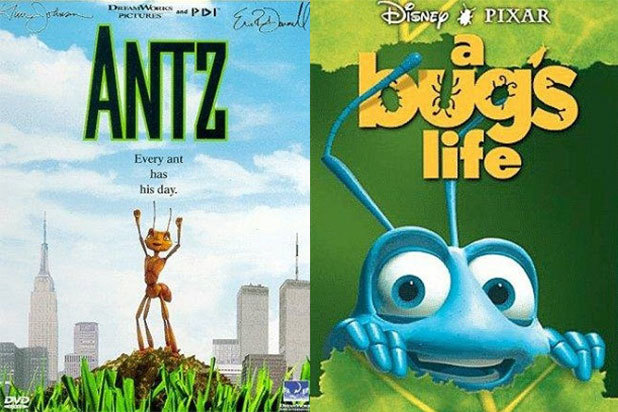
Both follow an ant colony, a rebellious worker who falls for a princess, and a hero’s journey back to the nest. No other year has produced two near-identical ant epics.
“Finding Nemo” vs. “Shark Tale”, 2003
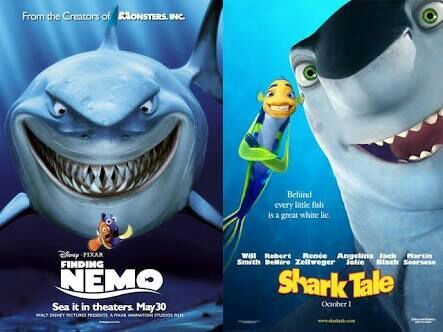
Different tones, same underwater setup. Both hit theaters in 2003.
“Happy Feet” vs. “Surf’s Up”, 2006
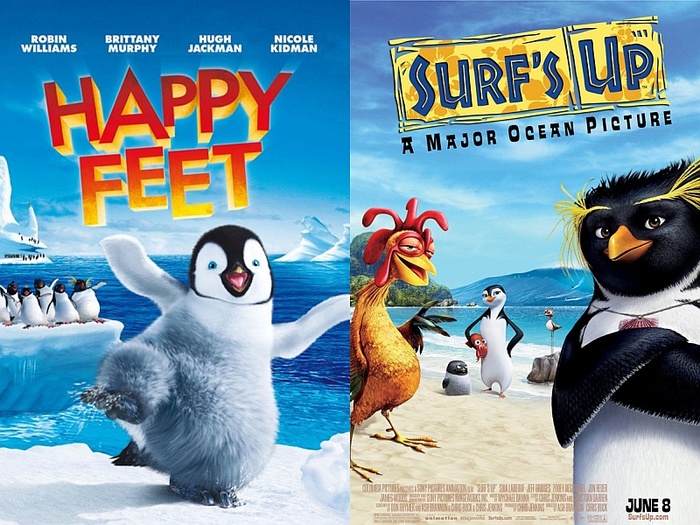
Two films about adorable penguins chasing their dreams.
Both released in 2006.
“Megamind” vs. “Despicable Me”, 2010
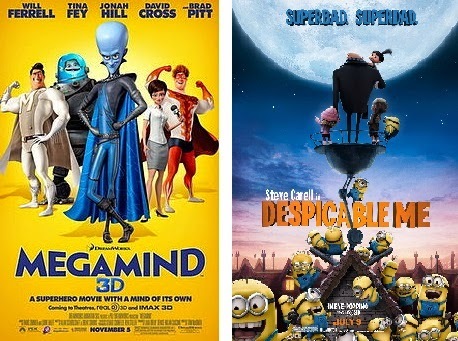
Charming supervillains with rough childhoods switch sides to defeat an even worse baddie.
Both released in 2010.
“Zootopia,” “Sing” and “Rock Dog”, 2016
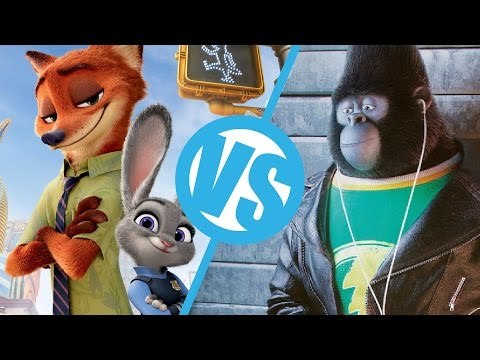
Each takes place in a modern metropolis populated entirely by anthropomorphic animals.
Biopics
The pattern also plagues prestige dramas:
“Capote” and “Infamous”, 2006
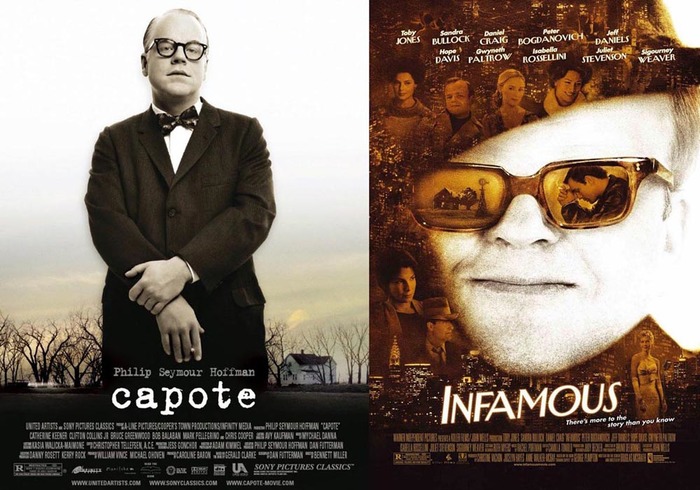
Both films about Truman Capote writing In Cold Blood.
Both released in 2006.
“Coco Chanel”, “Coco Before Chanel” and “Coco Chanel & Igor Stravinsky”, 2008-2009
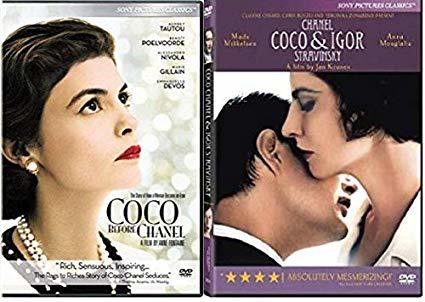
All three films tell the story of French designer Coco Chanel, released in 2008-2009.
“The Girl” and “Hitchcock”, 2012
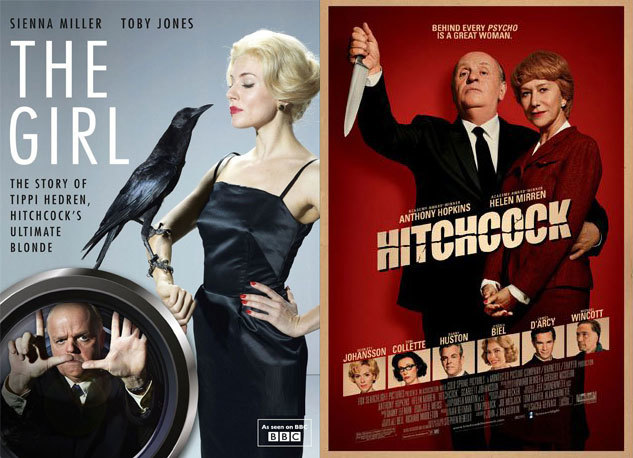
Both about director Alfred Hitchcock, released in 2012.
“Goodbye Christopher Robin” and “Christopher Robin”, 2018
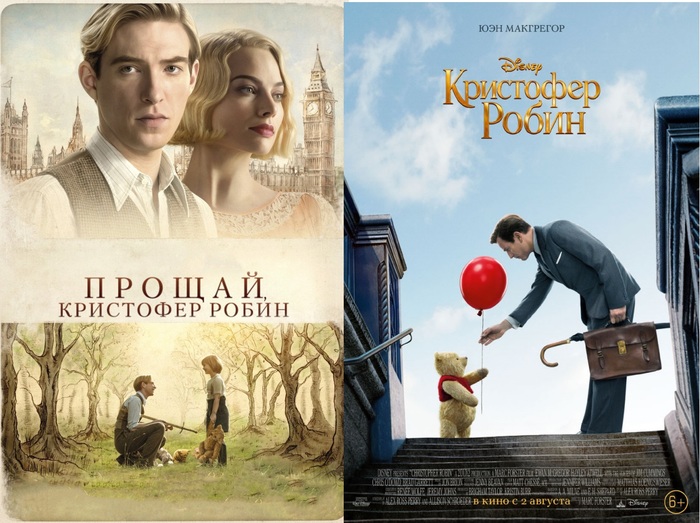
Both about Christopher Robin, son of A.A. Milne, author of Winnie-the-Pooh stories. Released a year apart, the first in September 2017, the second in August 2018.
Same hook, same setting
In these films, either the main “gimmick” is very similar, or the film takes place in the same setting.
“The Prestige” and “The Illusionist”, 2006
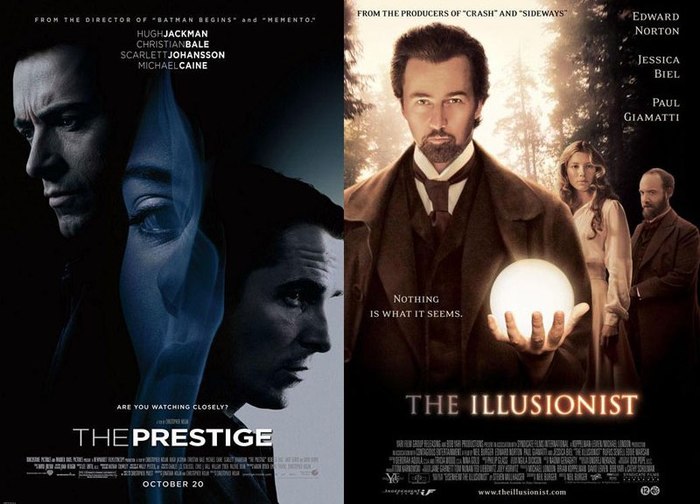
Both films tell the story of magicians living in 19th-century Europe.
“Upgrade” and “Venom”, 2018
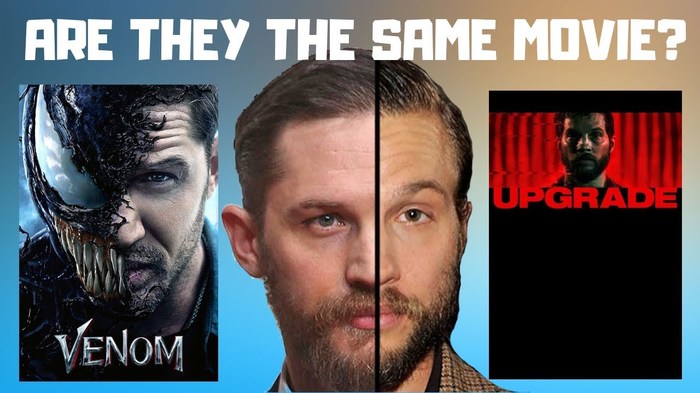
The freshest case — in both films, the hero bonds with a “symbiote” (a computer chip in “Upgrade”) that has its own consciousness, communicates with the hero inside his head, and grants him superpowers.
Everyone also noted the visual similarity of the two leads (Tom Hardy and Logan Marshall-Green), and in the Russian release the film even came out with the slogan “After Venom comes Upgrade.”
“Babe” and “Gordy”, 1995
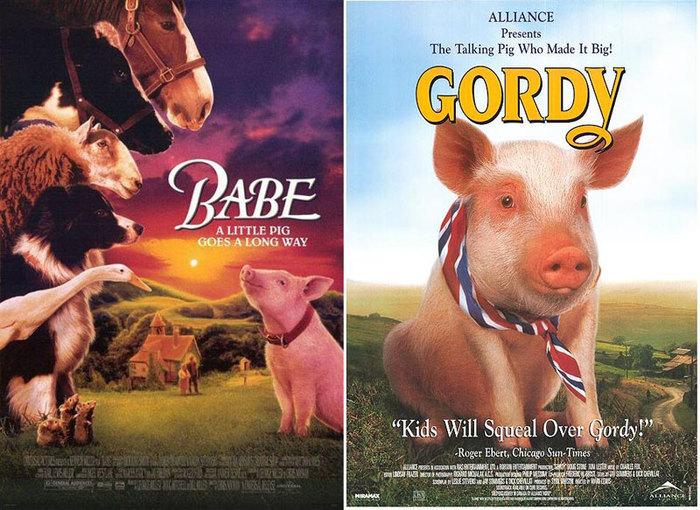
Both films tell the story of a small, adorable talking piglet.
How many such films do you know besides these two, released in the same year? :)
Films about a child in an adult’s body, 1997-1998
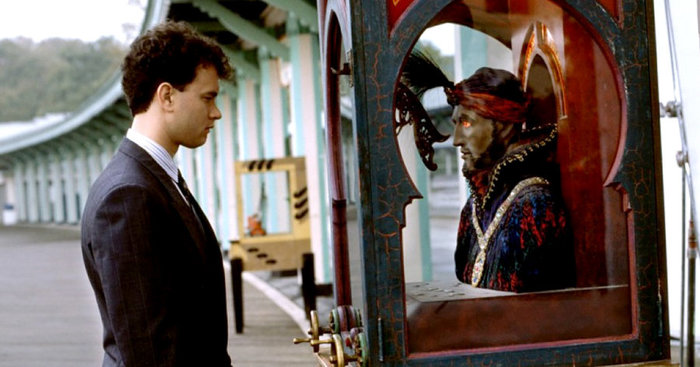
(Still from “Big” with Tom Hanks)
In 1987-1988, the plot about a teenager ending up in an adult man’s body became a hot commodity.
Five (FIVE!!) films with this theme were released:
-
Like Father Like Son
-
Vice Versa
-
18 Again!
-
14 Going on 30
-
Big
“Turner & Hooch” and “K-9”, 1989
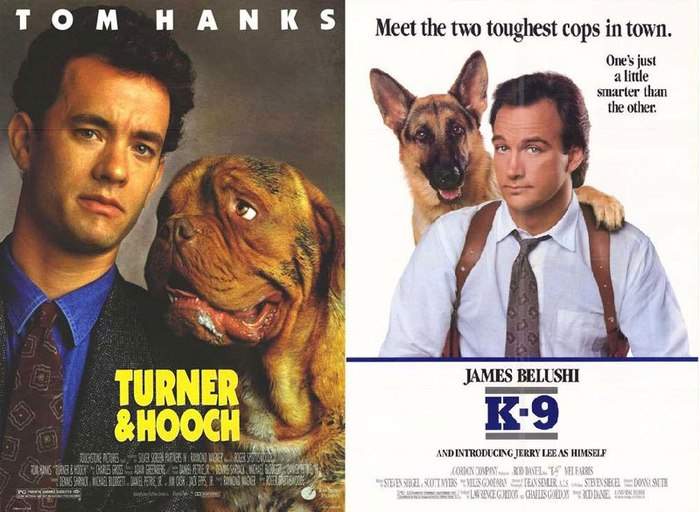
Both films tell the story of a police officer whose partner becomes a dog.
Funny that the lead roles are played by Tom Hanks and James Belushi, who are often confused due to their resemblance (along with Bill Murray).
“Saving Private Ryan” and “The Thin Red Line”, 1998
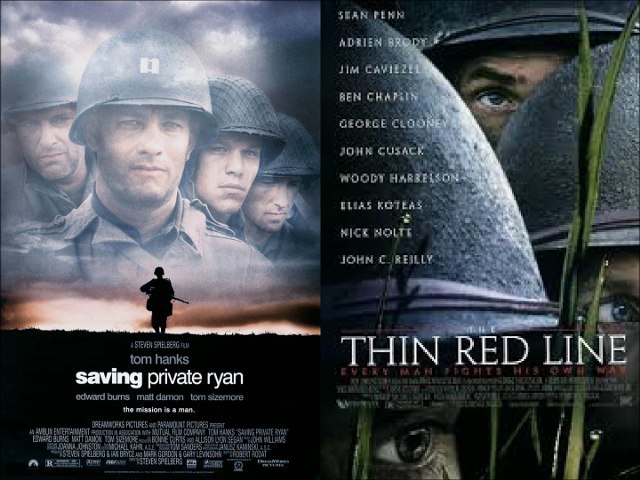
Both films tell and show the horrors of World War II with a large number of Hollywood stars. Both released in 1998.
Both films are excellent despite their “twin” status, which is quite rare.
Showdowns
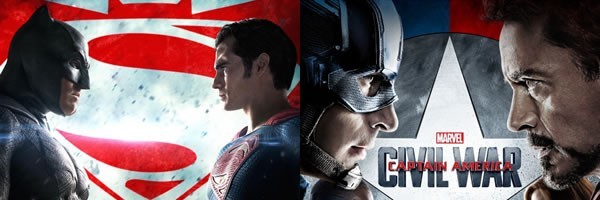
In 2016, “Batman v Superman: Dawn of Justice” and “Captain America: Civil War” were released.
In 2003, “Freddy vs. Jason” and “Alien vs. Predator” were released.
In each case, famous characters (who already have separate films) are pitted against each other.
More examples
A sprawling list lives here: https://en.wikipedia.org/wiki/Twin_films
Interesting exceptions
Sometimes the term “twin films” is used with a different meaning, as two films telling the same story from different perspectives.
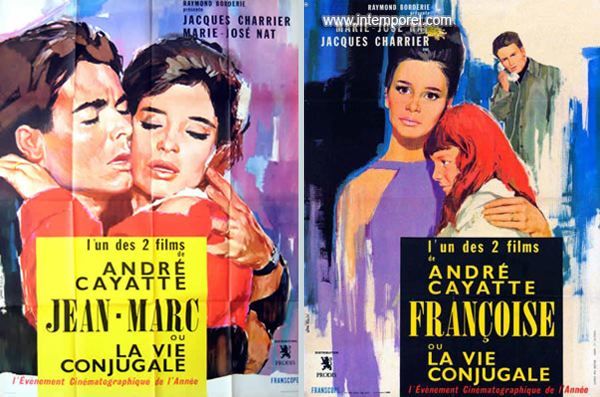
The films “Françoise ou la vie conjugale” and “Jean-Marc ou la vie conjugale”, released in 1964, tell the story of a relationship between a couple first through the wife’s eyes, then the husband’s.
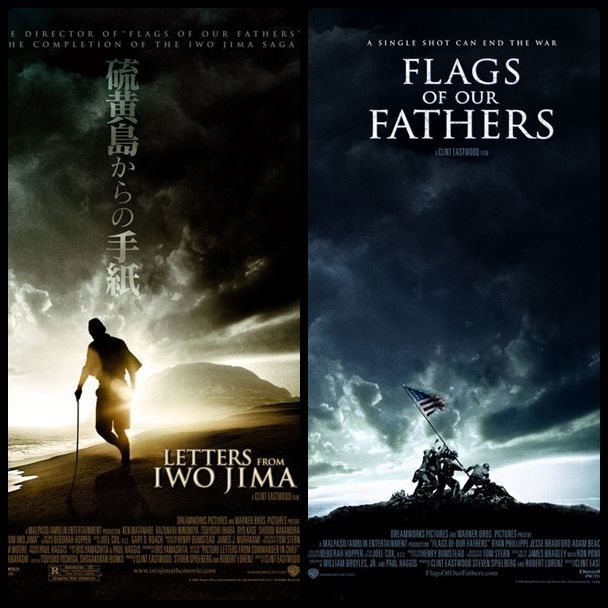
The film “Flags of Our Fathers” tells the story of the famous World War II battle at Iwo Jima from the perspective of American soldiers, while “Letters from Iwo Jima” tells the same battle through the eyes of the Japanese.
Both films were directed by Clint Eastwood and released in 2006.